
Note: This article is confirmed by Law Offices Of SRIS, P.C.
AUTHOR BIO:WRITTEN BY
Since 1997, Mr. Sris has led the firm, focusing on the most challenging criminal and family law cases. His background in accounting and information management aids in financial and technology-related cases. Involved in significant legislative changes in Virginia. Insight: My focus since founding the firm in 1997 has always been directed towards personally handling the most challenging and involved criminal and family law matters our clients face.
Postnuptial Agreement Lawyer Schenectady NY
What is a Postnuptial Agreement
A postnuptial agreement serves as a formal understanding between married partners about financial matters. These documents establish clear guidelines for asset distribution, debt responsibility, and financial arrangements should the marriage dissolve. Unlike prenuptial agreements created before marriage, postnuptial agreements are developed during the marriage. They can address various financial aspects including property ownership, business interests, retirement accounts, and inheritance rights.
The process begins with both parties disclosing their complete financial information. Full transparency about assets, debts, income, and liabilities is required for the agreement to be valid. Each spouse should have independent legal representation to ensure their interests are protected. The agreement must be entered into voluntarily without pressure or coercion from either party. Both individuals need adequate time to review the document and understand its implications.
New York has specific requirements for postnuptial agreements to be enforceable. The agreement must be in writing and signed by both parties. Proper execution includes notarization of signatures. The terms should be fair and reasonable at the time of signing. Agreements cannot include provisions that would encourage divorce or violate public policy. Child support and custody matters generally cannot be predetermined in these documents.
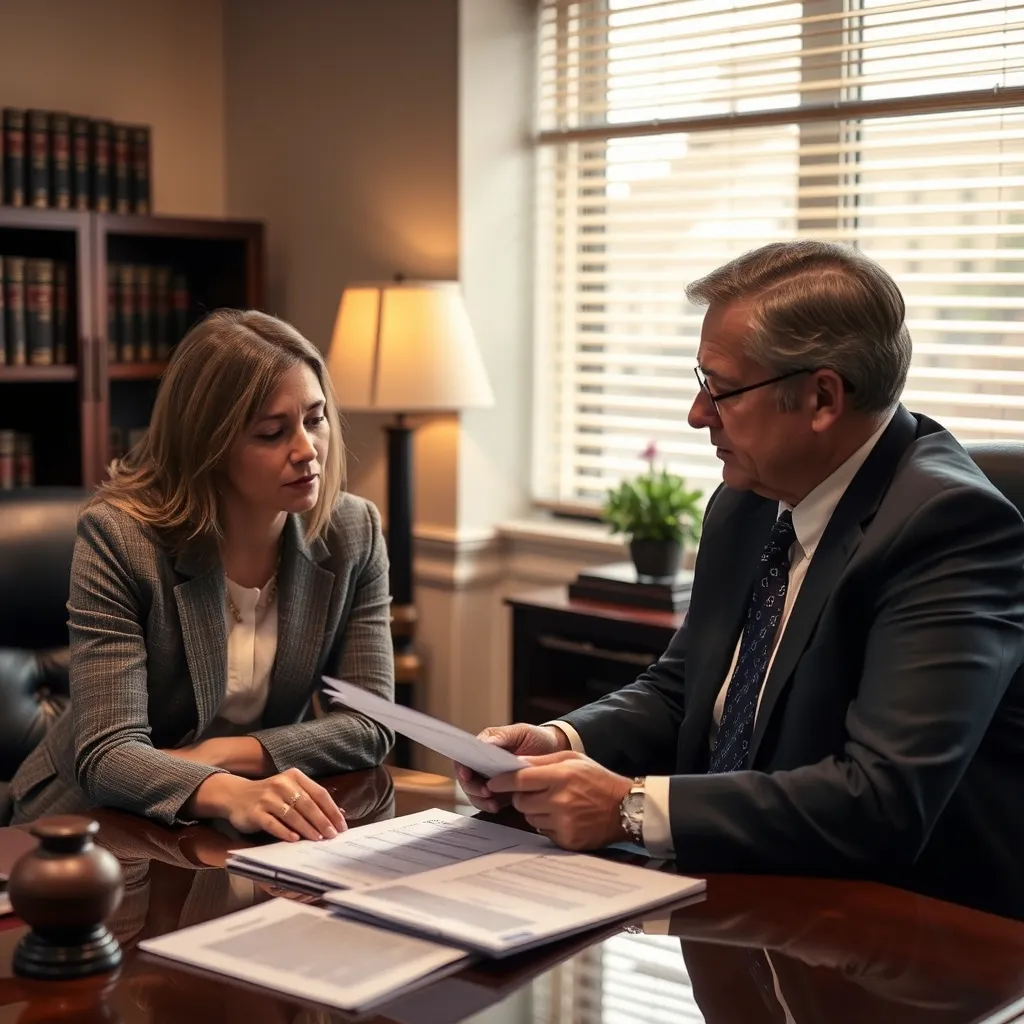
Legal counsel plays an important role in developing effective postnuptial agreements. Attorneys help identify assets that need protection and debts that require allocation. They ensure the document complies with New York legal standards. Counsel can help negotiate terms that work for both parties while protecting individual interests. Proper legal guidance helps create agreements that withstand potential future challenges.
How to Create a Post Marriage Agreement
The first step in creating a post marriage agreement involves gathering comprehensive financial information. Both spouses should compile documentation of all assets, debts, income sources, and liabilities. This includes bank statements, investment accounts, real estate documents, business valuations, retirement accounts, and credit reports. Complete financial disclosure forms the foundation of a valid agreement. Without full transparency, the document may be challenged later.
Next, each spouse should consult with independent legal counsel. Separate representation ensures both parties understand their rights and the agreement’s implications. Attorneys explain New York legal requirements and help identify issues that need addressing. Legal counsel can suggest provisions that protect individual interests while maintaining fairness. They help negotiate terms that work for both parties and address potential future scenarios.
Drafting the agreement involves specifying how assets and debts would be divided. The document should clearly identify separate property owned before marriage and marital property acquired during marriage. Terms should address business interests, inheritance rights, retirement accounts, and future earnings. Provisions can include spousal support arrangements, debt responsibility, and property distribution methods. The agreement should consider potential changes like career advancements, inheritances, or business growth.
Review and revision follow the initial draft. Both parties and their attorneys examine the document for clarity, completeness, and fairness. Necessary adjustments are made to address concerns or clarify terms. Each spouse should have adequate time to consider the agreement without pressure. Questions should be answered thoroughly before signing. The final document should reflect mutual understanding and voluntary agreement.
Execution involves signing the agreement before a notary public. New York requires proper notarization for postnuptial agreements to be valid. Both parties should keep copies of the signed document in secure locations. The agreement becomes effective immediately upon execution unless specified otherwise. Regular reviews and updates may be necessary as circumstances change over time.
Can I Modify an Existing Postnup
Modifying an existing postnuptial agreement is possible when both spouses agree to changes. Life circumstances often evolve, making original terms outdated or impractical. Significant events like career changes, inheritance, business growth, or health issues may necessitate adjustments. Both parties must voluntarily consent to modifications without coercion. The process mirrors creating a new agreement with similar legal requirements.
The modification process begins with discussing proposed changes. Both spouses should identify which terms need adjustment and why. Common modifications include updating asset valuations, adjusting support provisions, or addressing new financial circumstances. Open communication about reasons for changes helps create mutually acceptable terms. Each party should consider how modifications affect their financial security and future planning.
Financial disclosure remains essential for modifications. Both parties must provide updated financial information reflecting current circumstances. This includes recent asset valuations, debt changes, income adjustments, and new liabilities. Full transparency ensures modifications are based on accurate information. Hidden assets or undisclosed changes can invalidate the modified agreement just as with the original document.
Legal representation is required for modification agreements. Each spouse should consult with independent counsel to understand implications of proposed changes. Attorneys review the original agreement and proposed modifications to identify potential issues. They ensure changes comply with New York legal standards and maintain fairness. Counsel can help negotiate terms that address new circumstances while protecting both parties’ interests.
Documenting modifications requires proper execution. Changes should be in writing as an amendment to the original agreement or as a completely new document. The modified agreement must be signed by both parties and notarized according to New York requirements. Both spouses should retain copies of the modified document. Regular reviews help ensure agreements remain relevant as circumstances continue to change.
Why Hire Legal Help for Postnuptial Agreements
Legal assistance provides important benefits when creating postnuptial agreements. Attorneys understand New York legal requirements and ensure documents comply with state laws. They help identify assets that need protection and debts requiring allocation. Legal counsel ensures both parties’ rights are protected throughout the process. Professional guidance helps create agreements that are fair, comprehensive, and legally sound.
Attorneys facilitate proper financial disclosure procedures. They help gather necessary documentation and ensure complete transparency between spouses. Legal professionals can identify potential issues with asset valuation or debt assessment. They ensure disclosure meets legal standards for validity. Counsel helps address involved financial situations like business interests, retirement accounts, or inheritance rights that require special consideration.
Document drafting benefits from legal experienced lawyer. Attorneys use precise language that clearly defines terms and avoids ambiguity. They include provisions that address various future scenarios and potential changes. Legal professionals ensure the agreement covers all necessary aspects while excluding prohibited terms. They help create documents that are comprehensive yet understandable to both parties.
Negotiation assistance helps achieve mutually acceptable terms. Attorneys can facilitate discussions about sensitive financial matters. They help find compromises that work for both spouses while protecting individual interests. Legal counsel ensures neither party feels pressured or coerced into agreement. They help maintain a balanced approach that considers both current circumstances and future possibilities.
Enforceability protection comes from proper legal guidance. Attorneys ensure agreements meet all New York requirements for validity. They help avoid provisions that could be challenged in court. Legal professionals can anticipate potential issues and address them during drafting. Proper counsel increases the likelihood that agreements will withstand legal scrutiny if challenged later.
FAQ:
1. What is the difference between prenuptial and postnuptial agreements?
Prenuptial agreements are created before marriage while postnuptial agreements are made during marriage. Both address asset division but have different timing requirements.
2. Are postnuptial agreements enforceable in New York?
Yes, when properly drafted with full financial disclosure, independent counsel, and notarization. They must meet New York legal standards for validity.
3. What financial information must be disclosed?
All assets, debts, income sources, and liabilities for both spouses. Complete transparency is required for the agreement to be valid.
4. Can postnuptial agreements address child custody?
No, child custody and support matters generally cannot be predetermined in these agreements. Courts decide based on children’s best interests.
5. How long does creating an agreement take?
The process typically takes several weeks to months depending on challenge, financial disclosure completeness, and negotiation requirements.
6. What happens if circumstances change significantly?
The agreement can be modified if both parties agree to changes. Modifications require the same formal process as the original agreement.
7. Do both spouses need separate attorneys?
Yes, independent legal representation is strongly recommended to ensure both parties understand the agreement and their rights are protected.
8. What makes a postnuptial agreement invalid?
Lack of financial disclosure, coercion, unfair terms, or failure to meet New York legal requirements can invalidate the agreement.
9. Can business interests be included?
Yes, business assets and interests can be addressed in postnuptial agreements with proper valuation and disclosure procedures.
10. How often should agreements be reviewed?
Regular reviews every few years or after significant life changes help ensure the agreement remains relevant and effective.
11. What if one spouse refuses to sign?
The agreement cannot be enforced without both parties’ voluntary consent. Refusal means no postnuptial agreement exists.
12. Are digital assets included?
Yes, digital assets like cryptocurrency, online accounts, and intellectual property can be addressed in modern postnuptial agreements.
Past results do not predict future outcomes