
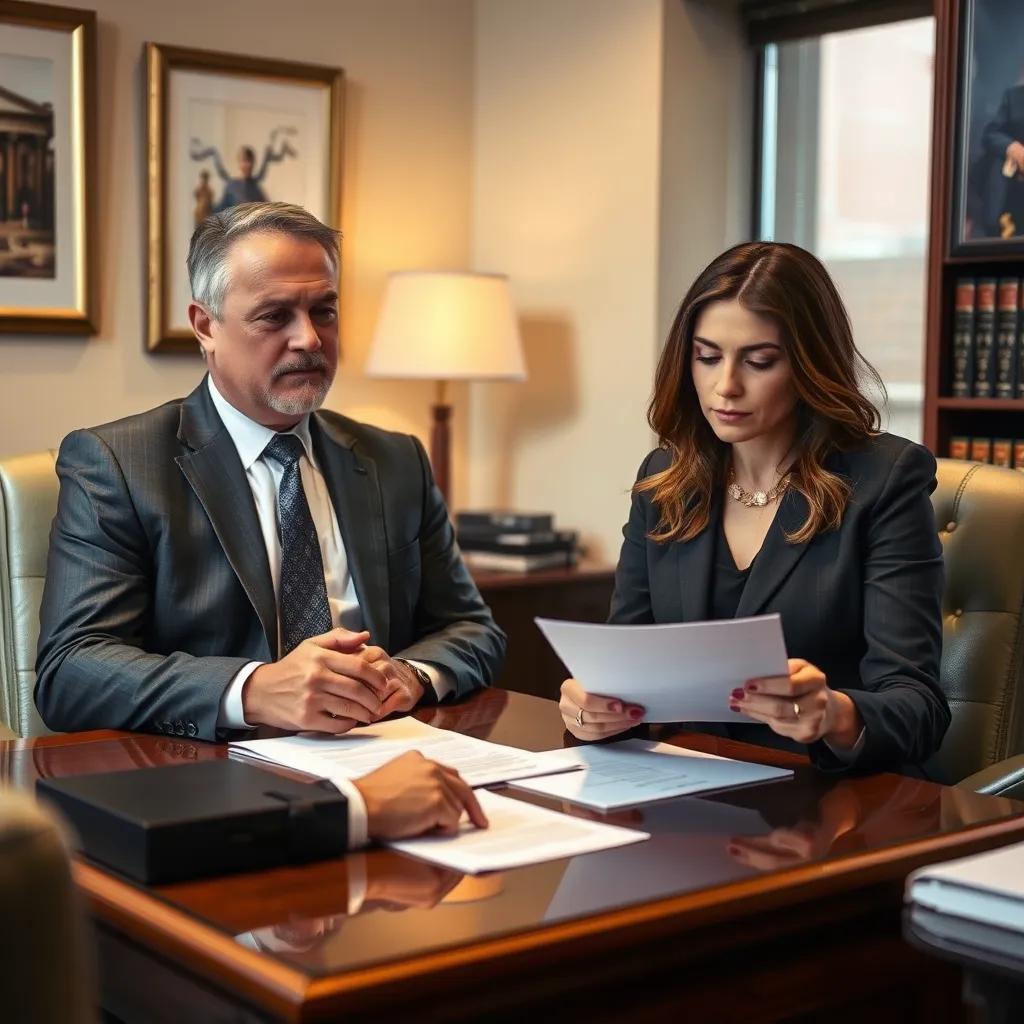
Enforcement of Foreign Divorce Lawyer Queens, NY
You obtained your divorce in a foreign country—perhaps in India, the Dominican Republic, Colombia, or elsewhere—and now you need to enforce the terms of that decree in Queens, New York. Your former spouse may be residing here, or the assets you are entitled to—a bank account, a share of a business, or real estate in Jamaica, Flushing, or Astoria—are located in Queens County. Without recognition of the foreign judgment by a New York court, the property division, spousal maintenance, or child-support provisions you fought for may remain unenforceable. Mr. Sris and his Of Counsel at Law Offices Of SRIS, P.C. represent clients in Queens County matters involving the enforcement of foreign divorce decrees. Call (888) 437-7747 to request a consultation.
Law Offices Of SRIS, P.C. – Advocacy Without Borders.
Strategy Options for Enforcing a Foreign Divorce in Queens
Enforcing a foreign divorce decree in New York typically begins with an application to the Queens County Supreme Court, located at 88‑11 Sutphin Boulevard, Jamaica, New York, to recognize the decree under the doctrine of comity—the respect New York courts generally give to judgments of foreign tribunals. The specific strategy depends on the nature of the relief sought. If the decree orders a monetary award, such as equitable distribution of property or spousal maintenance, Mr. Sris and his Of Counsel may file a proceeding under New York’s Uniform Foreign-Country Money Judgments Recognition Act. For custody, parenting-time, or child-support provisions, other enforcement tools—including registration under the Uniform Child Custody Jurisdiction and Enforcement Act or the Uniform Interstate Family Support Act—may apply. When a foreign decree involves both money and non‑money provisions, a combined approach is often necessary. The firm evaluates the decree’s terms, the issuing country’s legal system, and any defenses that may be raised, then pursues voluntary compliance through negotiation; when that is not possible, we litigate recognition and enforcement in the Supreme Court.
Not all foreign divorces present the same legal questions. A decree issued in a signatory country to the Hague Apostille Convention may require simpler authentication, while a decree from a non‑signatory nation may involve additional documentation. Whether your divorce was obtained in a civil court, a religious tribunal, or a hybrid proceeding, the Queens court will examine whether the foreign tribunal had jurisdiction over the parties and whether the decree is final and not repugnant to New York public policy. Mr. Sris and his Of Counsel have experience working with foreign‑issued documents, coordinating with interpreters and overseas counsel where needed, and presenting a clear, admissible record to the Queens court. Because every case is fact‑specific, we cannot guarantee a particular outcome; however, past results demonstrate the firm’s capacity to navigate cross‑border family‑law matters. Results may vary.
What to Expect When You Seek Enforcement in Queens
Once the matter is filed in Queens County Supreme Court, you can expect a procedural path that includes service of process on the opposing party, a response period, and a court conference or hearing. The judge will consider the face of the foreign decree, its authentication, and whether the issuing court respected basic due‑process principles. If the decree is comparable to a New York divorce judgment—for example, it equitably divided property under standards similar to New York’s equitable-distribution framework or ordered support calculated under guidelines that do not offend New York’s public policy—the court is likely to recognize and enforce it. The process generally takes longer when the respondent contests recognition or raises defenses such as lack of jurisdiction, fraud, or that the decree is contrary to New York public policy. We prepare our clients for each stage by gathering necessary documents, briefing the applicable law, and advocating at every court appearance. Because each judge’s calendar and each case’s complexity are different, the timeline varies; the firm works to advance matters as efficiently as possible.
For an in‑depth statutory analysis of New York’s recognition rules, please visit our comprehensive guide on the firm’s primary website.
Why Enforcement Matters
Without a New York court order recognizing the foreign decree, you may be unable to enforce its terms against assets or income located within the state. A former spouse could sell jointly owned real estate in Queens without your consent, empty a domestic bank account, or ignore a spousal‑maintenance obligation. Child‑support arrears that accrued abroad may become time‑barred if not domesticated in a timely manner. The practical consequences include loss of financial security for you and your children, prolonged litigation, and the emotional toll of relitigating issues already decided in another jurisdiction. Taking prompt action to domesticate and enforce the decree preserves your rights and puts legal mechanisms in place to compel compliance. The firm’s attorneys help clients understand the stakes and take the necessary steps to protect what a foreign court already awarded.
Attorney Credentials
Mr. Sris, Owner and Founder of Law Offices Of SRIS, P.C., has practiced family law since 1997 and is admitted in New York, Virginia, Maryland, the District of Columbia, and New Jersey. A former prosecutor, he brings a litigation‑focused perspective to contested enforcement matters. His legislative experience includes testimony before the Virginia House Courts of Justice Committee in support of 2019 HB 635 (chief patron Del. David Bulova), which revised the Commonwealth’s equitable‑distribution statute regarding the division of retirement assets—a subject that frequently arises in foreign‑decree enforcement proceedings. That background informs the firm’s work with qualified domestic‑relations orders and the financial facets of cross‑border divorce. Mr. Sris and his Of Counsel bring extensive combined legal experience to the enforcement of foreign divorce decrees. Results may vary.
The firm assists clients in Queens from its New York location, situated in Buffalo, and serves the communities of Jamaica, Flushing, Astoria, Long Island City, Forest Hills, Bayside, Jackson Heights, and the surrounding neighborhoods. All meetings are by appointment; call (888) 437-7747 to schedule.
Frequently Asked Questions
How do I enforce a foreign divorce decree in Queens, New York?
You typically enforce a foreign divorce decree in Queens by filing a proceeding in Queens County Supreme Court to have the decree recognized under the doctrine of comity, and then seeking enforcement of its provisions under New York law. The court must be satisfied that the foreign tribunal had jurisdiction, the decree is final, and its enforcement does not violate New York public policy. An attorney can help you gather the necessary authenticated documents and present the matter effectively. For case‑specific guidance, contact Law Offices Of SRIS, P.C. at (888) 437-7747.
What is the process for domesticating a foreign divorce in New York?
Domesticating a foreign divorce in New York generally involves filing a summons and complaint or a petition in the appropriate Supreme Court, requesting that the court recognize and enforce the foreign decree. The petitioner must provide certified copies of the decree, often accompanied by an apostille if the issuing country is a party to the Hague Apostille Convention, along with a certified translation if the decree is not in English. The court will review the documents, consider any opposition, and—if the statutory criteria are met—enter an order recognizing the decree. For assistance, call (888) 437-7747.
Do I need a lawyer to enforce a foreign divorce in Queens?
While New York law does not require you to have an attorney to pursue enforcement, the procedural and evidentiary requirements can be complex—especially when foreign documents, translation, and authentication are involved. An attorney familiar with both New York family law and international decree‑enforcement can evaluate the decree’s enforceability, marshal the necessary evidence, and advocate in court. Mr. Sris and his Of Counsel offer consultations for individuals seeking to enforce foreign divorces in Queens.
What if the foreign decree involves child custody or child support?
Child custody and child support provisions in a foreign divorce decree can be enforced in New York under separate statutory schemes, such as the Uniform Child Custody Jurisdiction and Enforcement Act for custody and the Uniform Interstate Family Support Act (which applies to international support orders in many circumstances). The procedure differs from that for property or maintenance awards, and the court will always evaluate what is in the best interests of the child. The firm works with clients to identify the correct enforcement mechanism and navigate the interplay between international law and New York’s family‑court system.
Can a foreign divorce decree be enforced if it was granted by a religious court?
In many cases, a divorce decree issued by a religious tribunal—such as a Jewish beth din or an Islamic sharia council—can be recognized in New York if the tribunal’s procedures satisfy basic due‑process standards, the decree is final under the law of the issuing jurisdiction, and recognition would not be contrary to New York public policy. The court will look at whether the parties voluntarily submitted to the tribunal’s jurisdiction and whether the decree addresses the issues fairly. The firm evaluates each decree individually to advise on whether enforcement is likely.
What documents do I need to enforce a foreign divorce in Queens?
You generally need a certified copy of the foreign divorce decree, a certified copy of the marriage certificate, and a translation of any non‑English documents by a court‑approved translator. If the issuing country is a party to the Hague Apostille Convention, an apostille from that country’s competent authority authenticates the seal and signature; otherwise, consular legalization may be required. Additional supporting documents—such as evidence of the foreign spouse’s consent, proof of jurisdiction, or financial records—may be helpful. The firm can guide you on what specific materials the Queens court will request.
How long does it take to enforce a foreign divorce decree in Queens?
The timeline varies depending on whether the respondent consents or contests the recognition, the court’s calendar, and the complexity of the issues. An uncontested matter may proceed through the court more quickly than a contested case, which can involve motion practice and discovery. Although every situation is different, the firm works to move matters forward efficiently. To discuss the likely duration of your particular case, contact Law Offices Of SRIS, P.C. at (888) 437-7747.
How much does it cost to enforce a foreign divorce in Queens?
Costs depend on the specifics of the case—whether the matter is contested, the need for translations, expert testimony, or overseas legal coordination. The firm discusses fees and a potential payment structure during your initial consultation. Because each case is unique, we cannot quote a fixed fee without reviewing the decree and the enforcement goals. Call (888) 437-7747 to request a consultation.
What if my former spouse lives outside New York or outside the United States?
Enforcing a foreign divorce decree becomes more challenging when the respondent resides abroad, but it is still possible. The Queens court must obtain personal jurisdiction over the respondent; when the respondent cannot be served personally within the state, alternative methods of service—such as service pursuant to the Hague Service Convention or by publication—may be available. The firm evaluates whether the respondent has sufficient contacts with New York to support jurisdiction and devises a strategy to secure effective service. For more information, contact the firm at (888) 437-7747.
Can a foreign divorce decree be modified in New York?
Modification of a foreign divorce decree—such as changing spousal‑support amounts or custody arrangements—is a separate procedure from enforcement. New York courts generally have authority to modify a foreign decree’s provisions that are modifiable under the law of the issuing jurisdiction, provided New York has jurisdiction over the parties. However, property‑division awards are usually not modifiable. The firm assists clients in understanding what can be changed and handles post‑judgment modification proceedings in Queens.
What if the foreign decree was obtained by fraud?
If you believe the foreign divorce decree was procured by fraud—for example, the other party misrepresented facts to the foreign court or concealed assets—you may be able to challenge its recognition or enforcement in the Queens court. The court can decline to give comity to a decree that violates fundamental due‑process principles. Because fraud claims are fact‑intensive and time‑sensitive, it is important to consult an attorney promptly. Mr. Sris and his Of Counsel discuss the viability of such challenges during consultations.
Is there a statute of limitations for enforcing a foreign divorce decree in New York?
The applicable statute of limitations in New York depends on the nature of the relief sought. For money judgments, including those for unpaid support arrears, the time limits of CPLR Article 52 may apply; for enforcement of custody or support orders, other statutory deadlines may be relevant. Because the limitations period can vary, it is important to seek legal advice soon after you become aware of the need for enforcement. The firm can review the decree and advise on whether any time‑bar concerns exist.
Request a Consultation
If you need to enforce a foreign divorce decree in Queens, New York, the attorneys at Law Offices Of SRIS, P.C. are available to discuss your situation. We represent clients throughout Queens County, including Jamaica, Flushing, Astoria, Long Island City, and the surrounding areas. Call (888) 437-7747 or use our contact form to schedule a consultation. All meetings are by appointment.
Our New York Location
Law Offices Of SRIS, P.C.
50 Fountain Plaza, Suite 1400, Office No. 142
Buffalo, New York 14202
By appointment only — call (888) 437-7747
Related Practice Areas
Divorce Lawyer Queens, NY |
Child Custody Lawyer Queens, NY India is not a signatory to the 1980 Hague Convention on Civil Aspects of International Child Abduction. |
Spousal Support Lawyer Queens, NY |
Family Law Lawyer Queens, NY |
Uncontested Divorce Lawyer Queens, NY
For additional statutory information, visit the Queens County Supreme Court website.
Attorney advertising. Prior results do not guarantee a similar outcome. Case results depend on a variety of factors unique to each case. Results may vary.