
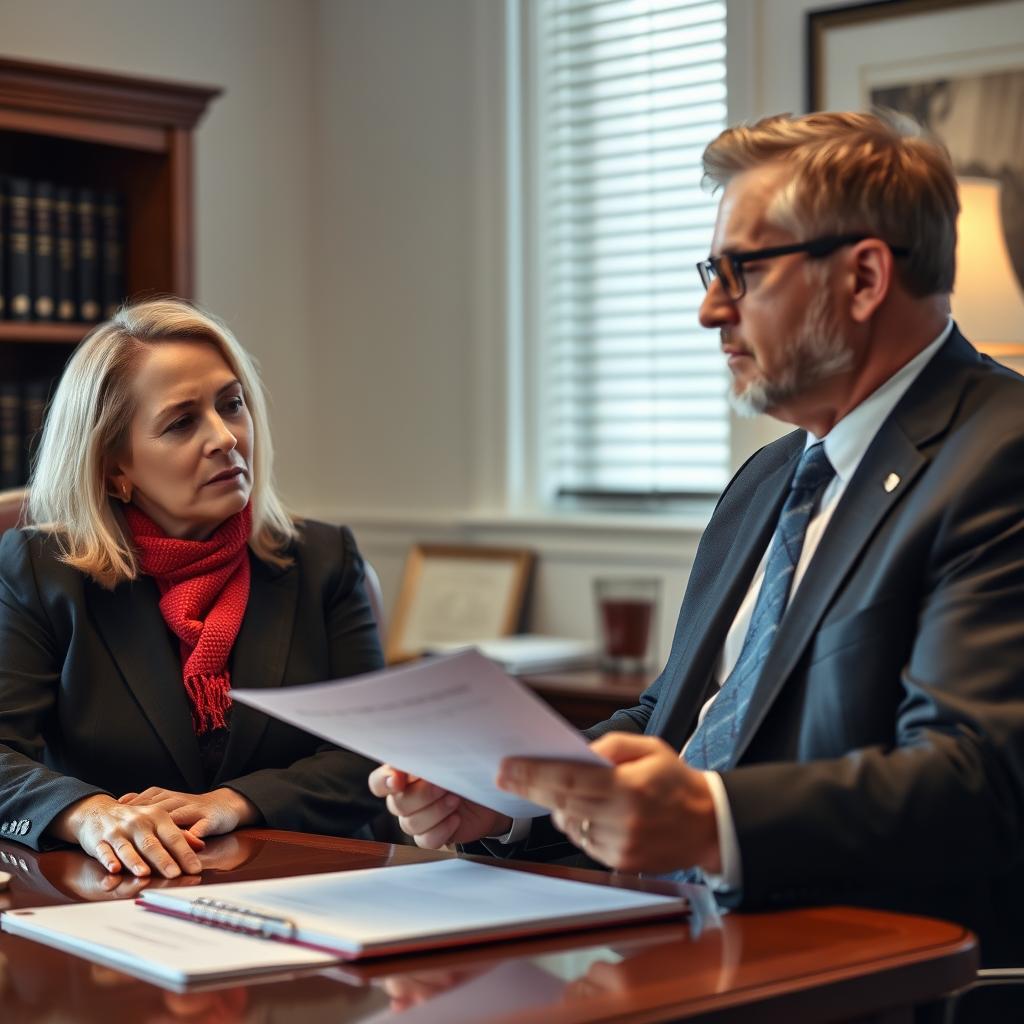
Alimony Lawyer Schenectady County, NY
Alimony—referred to as spousal maintenance in New York—is a critical financial component of many divorce cases in Schenectady County. When one spouse earns substantially more than the other, or when the recipient spouse requires time to become self-supporting, the court may order maintenance payments to help balance the economic impact of the marriage’s breakdown. Law Offices Of SRIS, P.C., founded in 1997, represents individuals across the Capital District, including Schenectady, Niskayuna, Rotterdam, Scotia, Duanesburg, and Glenville, in alimony negotiations, pendente lite applications, and post-divorce modification proceedings. Our attorneys understand how local judges in the Schenectady County Supreme Court apply New York Domestic Relations Law § 236 to temporary and post-divorce maintenance. Whether you anticipate paying or receiving alimony, an experienced attorney can help position your case for a fair outcome. To request a consultation, reach Law Offices Of SRIS, P.C. at (888) 437-7747. Law Offices Of SRIS, P.C. – Advocacy Without Borders.
What Alimony Means in Schenectady County, New York
In New York, the legislature has codified formulas for both temporary maintenance (pendente lite) and post-divorce maintenance. Temporary maintenance applies while the divorce is pending, and post-divorce maintenance is determined at the conclusion of the case. Both are governed by statutory guidelines that consider the parties’ incomes, the length of the marriage, the earning capacities of each spouse, and other factors set out in DRL § 236. The formula does not produce a uniform result in every case; courts retain discretion to deviate from the guideline amount when the calculated award would be unjust or inappropriate.
Schenectady County residents pursue alimony claims in the Schenectady County Supreme Court, the court of general jurisdiction that handles all matrimonial matters including divorce, equitable distribution, and maintenance. The courthouse is located at 612 State Street in downtown Schenectady and operates within the Fourth Judicial District. While the statutory framework is statewide, the specific practices of the Schenectady County Supreme Court — including the timing of conferences, the judges’ approaches to pendente lite motions, and the typical negotiation posture of local practitioners — make it important to work with an attorney who appears regularly in that courthouse. Law Offices Of SRIS, P.C. is familiar with local procedures and the expectations of the bench and matrimonial bar in the Capital District.
How Mr. Sris and His Of Counsel Handle Alimony Cases
Addressing alimony requires a careful analysis of income documentation, tax implications, and statutory factors. Mr. Sris and his Of Counsel begin by calculating the presumptive guideline amount under DRL § 236 and then evaluate whether grounds exist for a deviation. The team gathers financial records, analyzes the marital standard of living, and works to present a clear picture of each party’s financial circumstances. Where a spouse may be underemployed or hiding income, the firm engages forensic accountants to trace assets and uncover unreported earnings.
Whether through negotiated settlement, mediation, or contested motion practice, Mr. Sris and his Of Counsel advocate for a maintenance order that reflects the economic realities of the marriage. The attorneys prepare pendente lite motions seeking temporary support early in the proceedings, and they structure settlement agreements to address the duration, amount, and modification terms of maintenance. In every case, the goal is to achieve a fair and enforceable outcome without unnecessary litigation expense. The timeline for reaching a resolution varies by case complexity and the court’s calendar, but the firm’s attorneys keep clients informed and involved at each step.
About Mr. Sris and His Of Counsel Team
Mr. Sris, Owner and Founder of Law Offices Of SRIS, P.C., has practiced law since 1997 and is admitted in New York, Virginia, Maryland, the District of Columbia, and New Jersey. His background as a former prosecutor informs a practical, evidence-driven approach to family law matters. Mr. Sris testified before the Virginia House Courts of Justice Committee in support of 2019 HB 635 (chief patron Del. David Bulova). He and his Of Counsel bring extensive combined legal experience to alimony and divorce issues. Mr. Sris and his Of Counsel have documented case results across all practice areas since 1997. Results may vary.
Frequently Asked Questions
What is alimony (spousal maintenance) in New York?
Alimony, called spousal maintenance in New York, is a court-ordered payment from one spouse to the other during or after a divorce to help balance the financial disparity between the parties. It may be temporary (paid while the case is pending) or post-divorce. The amount and duration depend on statutory guidelines in the Domestic Relations Law and the specific facts of the case, including income, length of marriage, and the recipient’s ability to become self-supporting. For guidance on your particular circumstances, contact Law Offices Of SRIS, P.C. at (888) 437-7747.
How does a court in Schenectady County decide alimony?
The court applies the statutory formula in DRL § 236, which uses both parties’ incomes to calculate a presumptive amount, then considers whether a deviation is warranted based on factors such as age, health, earning capacity, the need for training, and contributions to the marriage. The judge has discretion to adjust the award if the formula yields an unjust result. The Schenectady County Supreme Court also considers the marital standard of living and the tax consequences of maintenance. An attorney can present evidence to support a fair outcome.
Can alimony be modified after the divorce is final?
Yes, either party may seek a modification of post-divorce maintenance if there has been a substantial change in circumstances. Common reasons include a significant increase or decrease in income, involuntary job loss, disability, or retirement. The party seeking the change must demonstrate the changed circumstances and show that the original order is no longer equitable. Law Offices Of SRIS, P.C. assists clients with both seeking and opposing modification petitions.
What is the difference between temporary maintenance and post-divorce maintenance?
Temporary maintenance is paid while the divorce is pending and is designed to preserve the financial status quo during litigation; post-divorce maintenance is ordered as part of the final judgment and supports the recipient after the marriage is dissolved. Temporary awards are often based on a guideline formula and can be revisited as the case progresses. Post-divorce maintenance is governed by a separate formula and may be for a duration set by the court. The firm’s attorneys address both stages.
How long does alimony last in New York?
The duration of maintenance is determined by the court using advisory guidelines that consider the length of the marriage. For marriages of varying lengths, the advisory duration is expressed as a percentage of the total length of the marriage. Courts may deviate from the guidelines and may also award permanent maintenance in cases where the recipient is unable to become self-supporting, such as due to age or disability. Each case is unique, and the court retains discretion.
Do I need a lawyer to handle alimony issues in Schenectady County?
While you are not required to hire an attorney, alimony involves complex statutory formulas, financial disclosure obligations, and court procedure, making it difficult to secure a fair outcome without experienced representation. An attorney can calculate the guideline amount, gather and present financial evidence, negotiate settlement terms, and advocate at motion hearings if a negotiated resolution is not possible. Law Offices Of SRIS, P.C. offers consultations to discuss your situation.
Can alimony be awarded if the marriage was short?
Yes, alimony may be awarded even after a short marriage, though the amount and duration are typically lower than in longer marriages. The court considers the length of the marriage as one factor, along with income disparity, the need for training or education, and other statutory criteria. The advisory duration guidelines are also influenced by the marriage’s length. An attorney can explain how these rules apply to your specific facts.
What happens if my spouse refuses to pay court-ordered alimony?
If a party fails to comply with a maintenance order, the receiving spouse can file an enforcement action in the Schenectady County Supreme Court. Remedies may include a money judgment for arrears, wage garnishment, an income execution order, or contempt proceedings. The court has broad authority to compel compliance. Enforcement is fact-specific, and legal guidance is recommended.
How are alimony and child support related in New York?
Alimony and child support are distinct obligations, but they can interact because the amount of maintenance paid or received affects the parties’ respective incomes for child support calculation purposes. Under the Child Support Standards Act, the court first determines maintenance, then uses the resulting income to compute child support. A family law attorney can ensure the interplay between the two is correctly addressed in the final order.
Can alimony be negotiated out of court?
Yes, the vast majority of alimony agreements are reached through negotiation, mediation, or collaborative law, rather than by a judge’s ruling at trial. Spouses can agree on the amount, duration, and modification terms of maintenance, as long as the agreement is in writing and acknowledged before a notary. Law Offices Of SRIS, P.C. helps clients negotiate agreements that reflect their financial goals and comply with New York law. To discuss the details of your matter, contact the firm at (888) 437-7747.
Related Family Law Resources
The firm also assists clients in surrounding New York localities. For more information, visit our pages on Family Law representation in Manhattan, Kings County family law attorney, Nassau County divorce and alimony lawyer, and Staten Island family law services.
Additional primary-source information about the Schenectady County Supreme Court can be found on the New York State Unified Court System website. The complete text of the Domestic Relations Law is available through the New York Senate’s legislative portal. These resources are provided for general reference and are not a substitute for legal advice tailored to your circumstances.
Attorney advertising. Prior results do not guarantee a similar outcome.
Case results depend on a variety of factors unique to each case.
Results may vary.