
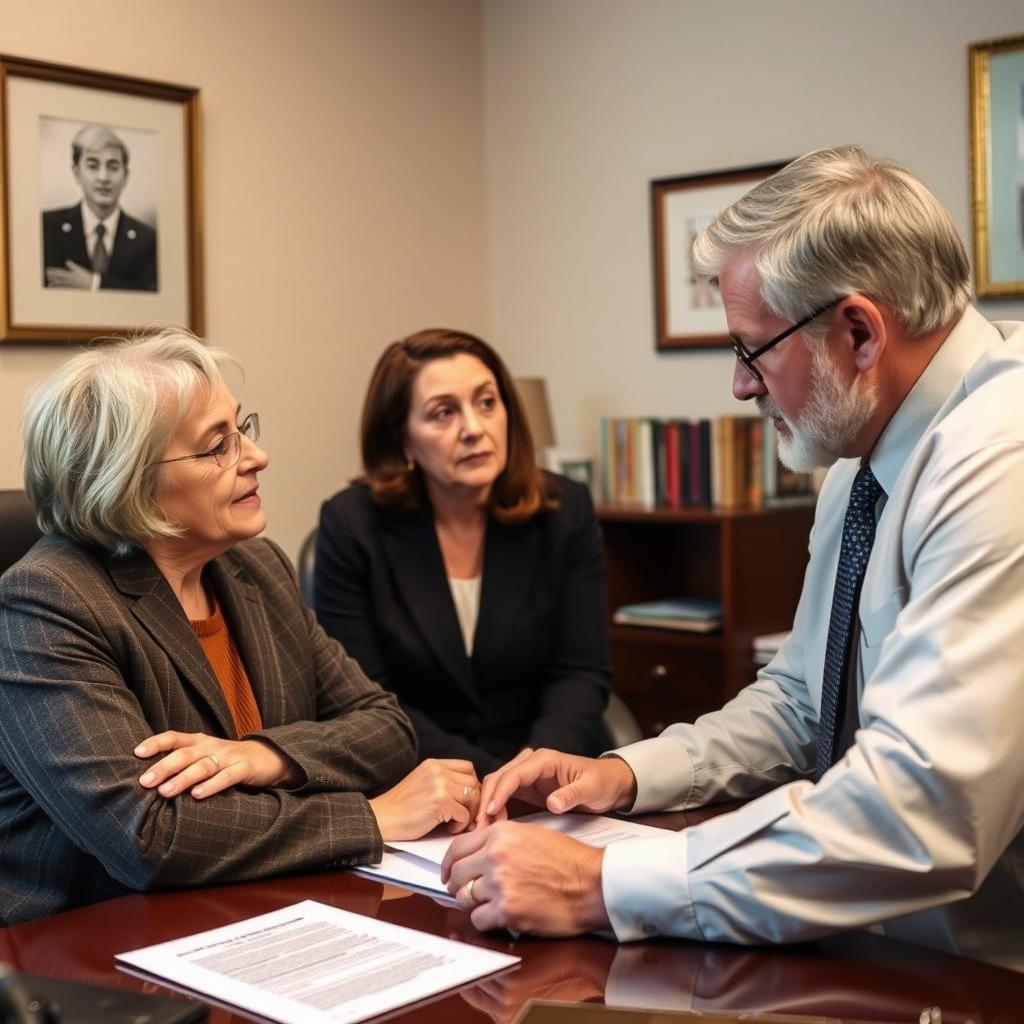
Guardianship Lawyer Albany County, NY
When a family member can no longer make decisions for themselves—because of age, disability, or illness—a guardianship proceeding may become necessary. In Albany County, New York, guardianship matters are heard in the New York Supreme Court (Albany County) for adult incapacitated persons under Article 81 of the Mental Hygiene Law, and in the Albany County Surrogate’s Court for minors and individuals with intellectual or developmental disabilities under the Surrogate’s Court Procedure Act. Law Offices Of SRIS, P.C. represents clients in these proceedings from its New York location, serving families in the Capital District. Mr. Sris, Owner and Founder of the firm, and his Of Counsel team work with families across Albany, Colonie, Guilderland, Bethlehem, Delmar, Cohoes, Watervliet, Ravena, and New Scotland. Whether you are petitioning for guardianship, opposing a petition, or seeking to modify an existing arrangement, experienced counsel can clarify the legal standards and help you present your case effectively. Reach our firm at (888) 437‑7747 to arrange a consultation. Law Offices Of SRIS, P.C. – Advocacy Without Borders.
What Guardianship Means in Albany County
Guardianship is a court-ordered arrangement that grants one person legal authority to make decisions for another who is unable to do so. In New York, the terminology and procedures depend on the person’s age and the nature of the incapacity. For adults whose decisional capacity is at issue, Article 81 of the Mental Hygiene Law provides the statutory framework. The court may appoint a guardian of the person, a guardian of the property, or both, based on a functional capacity assessment rather than a diagnostic label. The proceeding is heard in the New York Supreme Court for the county where the alleged incapacitated person resides—in this region, the Albany County Supreme Court.
For individuals with lifelong intellectual or developmental disabilities, a proceeding under Article 17‑A of the Surrogate’s Court Procedure Act is available. That petition is filed in the Albany County Surrogate’s Court. Minor guardianship, including standby guardianship under the Surrogate’s Court Procedure Act, is also handled in Surrogate’s Court. Importantly, New York law no longer uses the term “conservatorship”; the applicable labels are “guardian of the person” and “guardian of the property.” Law Offices Of SRIS, P.C. is familiar with the local practices in the Third Judicial District and can guide families through whichever type of guardianship their situation requires.
How Mr. Sris and His Of Counsel Handle Guardianship Cases
A guardianship proceeding often begins when a family recognizes that a loved one is no longer able to manage personal care or finances safely. Mr. Sris and his Of Counsel begin by evaluating the specific facts—the nature and extent of the incapacity, the availability of less-restrictive alternatives, and the suitability of the proposed guardian. They then prepare the petition and supporting documentation required by the applicable statute, including a physician’s affirmation when necessary, and present the matter to the court.
In an Article 81 case, the court will appoint a court evaluator under Mental Hygiene Law § 81.09 to meet with the alleged incapacitated person and make a recommendation. Mr. Sris and his Of Counsel work alongside the court evaluator, medical professionals, and other family members to develop a guardianship plan that protects the person’s well-being while respecting their remaining autonomy. If the petition is contested—for example, by another family member who objects to the appointment or to the nominee—the firm is prepared to litigate the issue at a hearing. Throughout the process, the goal is to achieve a resolution that balances protection with the least amount of court intervention. Results may vary.
About Mr. Sris and His Of Counsel Team
Mr. Sris, Owner and Founder of Law Offices Of SRIS, P.C., has practiced law since 1997 and is admitted in New York, Virginia, Maryland, the District of Columbia, and New Jersey. He and his Of Counsel bring extensive combined legal experience to guardianship matters. Their work has produced documented case results across multiple practice areas; Results may vary. and past case outcomes do not guarantee a specific result in your situation.
All non‑Sris attorneys serve as Of Counsel, engaged through Excella. The team’s collective knowledge allows the firm to handle guardianship cases that range from straightforward family petitions to litigation involving contested capacity, cross‑jurisdictional assets, or allegations of self‑neglect and financial exploitation. When you contact the firm, your matter will be managed by an attorney familiar with Albany County’s courts and the statutory requirements of New York guardianship law.
Frequently Asked Questions
What is the difference between Article 81 guardianship and Article 17‑A guardianship in New York?
Article 81 of the Mental Hygiene Law governs guardianships for adults who, through illness, injury, or age-related decline, have lost the functional capacity to manage their own needs. The court focuses on the person’s functional abilities and tailors the guardianship to the least-restrictive alternative. Article 17‑A of the Surrogate’s Court Procedure Act, by contrast, applies to individuals of any age who have a medically documented intellectual or developmental disability. That proceeding requires certifications from two physicians or one physician and one psychologist, and it results in a more comprehensive guardianship. Both types of hearings take place in Albany County—Article 81 in Supreme Court and Article 17‑A in Surrogate’s Court. An attorney can help you determine which statute is appropriate for your family member’s circumstances.
Do I need a lawyer to petition for guardianship in Albany County?
You are not legally required to hire a lawyer to petition for guardianship, but the procedural and evidentiary requirements are substantial, and an error can delay or derail the case. The petition must satisfy statutory elements, including a detailed description of the alleged incapacity and a proposed guardianship plan. In an Article 81 proceeding, a court evaluator conducts an independent investigation and makes a recommendation to the court; an attorney can help you present evidence and respond to any objections the court evaluator raises. Even in uncontested matters, an experienced guardianship lawyer can ensure the paperwork is complete and the hearing progresses smoothly. Law Offices Of SRIS, P.C. represents families throughout the Capital District and can discuss your options at (888) 437‑7747.
How does the court decide whether to appoint a guardian in an Article 81 case?
The court conducts a hearing at which it must find, by clear and convincing evidence, that the person is unable to provide for personal needs and/or property management and that the proposed guardianship is the least‑restrictive form of intervention. Under Mental Hygiene Law § 81.12, the court relies on medical evidence, testimony from the petitioner and any objectors, and the report and recommendation of the court evaluator appointed under § 81.09. If the court determines a guardian is necessary, it will issue an order specifying the powers granted—which can range from limited oversight of finances to full decision‑making authority. The agency of the person is respected throughout; the guardianship order is always tailored to the individual’s actual limitations.
Can I contest a guardianship petition that I believe is unnecessary or abusive?
Yes. Any interested party—including the alleged incapacitated person, a family member, or a close friend—may object to a guardianship petition and request that the court dismiss it or limit the powers sought. An objection requires you to file a cross‑petition or a sworn answer stating the reasons for opposition. You may then present evidence at the hearing, cross‑examine the petitioner’s witnesses, and call your own experienced attorney or lay witnesses. If the court finds the person does not meet the statutory standard for incapacity, it can deny the petition altogether. If some intervention is needed but the original petition overreaches, the court can craft a narrower guardianship. The firm represents parties on both sides of these disputes; for a consultation, reach Mr. Sris and his Of Counsel at (888) 437‑7747.
What happens after a guardian is appointed?
Once a guardian is appointed, the court maintains ongoing supervision. A guardian of the property typically must file an inventory and annual accountings with the court showing how assets are managed. A guardian of the person ensures that the ward’s medical, residential, and social needs are met and may need to report to the court on the ward’s condition. The court can modify or terminate the guardianship if the ward’s capacity improves or if the guardian fails to perform their duties. Law Offices Of SRIS, P.C. can assist families with post‑appointment obligations, modifications, or petitions to remove a guardian who is not acting in the ward’s best interests. To discuss the details of your matter, contact the firm at (888) 437‑7747.
Also serving these New York communities: Family Law Lawyer in New York County (Manhattan) · Family Law Lawyer in Kings County (Brooklyn) · Family Law Lawyer in Queens County (Queens) · Family Law Lawyer in Richmond County (Staten Island) · Family Law Lawyer in Nassau County (Long Island)
Attorney advertising. Prior results do not guarantee a similar outcome.
Case results depend on a variety of factors unique to each case.
Results may vary.