
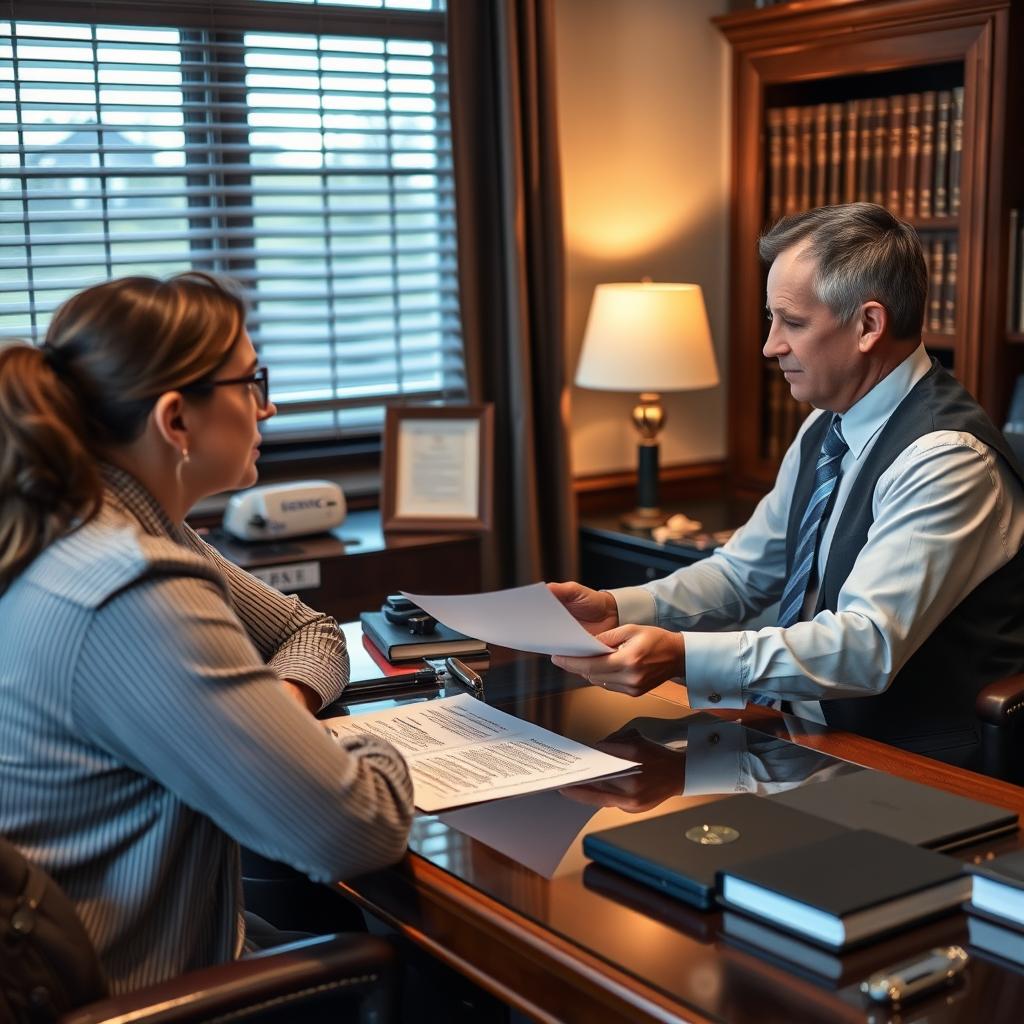
Paternity Lawyer Chenango County, NY
Imagine you are a father in Norwich, New York, who was never listed on your child’s birth certificate, or a mother in Greene who needs a court order to establish paternity before the Chenango County Family Court will order child support. Paternity—the legal determination of a father‑child relationship—touches custody, visitation, support obligations, and even a child’s access to medical history. In Chenango County, these petitions are heard under Article 5 of the New York Family Court Act. Mr. Sris, Owner and Founder of Law Offices Of SRIS, P.C., and his Of Counsel team represent clients across the Southern Tier, including Sherburne, Oxford, Bainbridge, and the surrounding communities. To discuss your matter, reach Law Offices Of SRIS, P.C. at (888) 437‑7747. Law Offices Of SRIS, P.C. – Advocacy Without Borders.
What Paternity Means in Chenango County, New York
In New York, paternity is the legal process that identifies a child’s father. When a child is born to married parents, the husband is presumptively the father; for unmarried parents, paternity must be established before a court will issue orders for custody, visitation, or support. The Chenango County Family Court—located at 5 Court Street, Norwich—hears paternity petitions under the Family Court Act. The court also handles related relief such as orders of filiation, child support calculations, and parenting‑time schedules.
A central feature of New York law is the Child Support Standards Act (DRL § 240), which provides a statutory formula: 17% of combined parental income for one child, 25% for two, 29% for three, 31% for four, and 35% for five or more children, applied to combined income up to a statutory threshold, with the court holding discretion above that cap. A paternity finding therefore directly affects a parent’s financial responsibility. The court also considers the best interests of the child when crafting custody and visitation orders, weighing factors such as each parent’s relationship with the child, home environment, and ability to provide care.
Paternity may be established voluntarily through an Acknowledgment of Parentage signed by both parents, or, when one party disputes the relationship, through a court proceeding that often includes genetic testing. The Family Court manages the entire process, from filing the petition and scheduling a hearing to entering the final order of filiation. Because Chenango County is part of the 6th Judicial District, local practice reflects the court’s familiarity with the rural communities it serves.
How Mr. Sris and His Of Counsel Handle Paternity Cases
Mr. Sris and his Of Counsel team approach each paternity matter with a clear, multi‑step plan. They first meet with the client—whether a mother seeking support or a father seeking custody—to gather the facts, explain the applicable New York statutes, and outline what the Chenango County Family Court process will look like. They review any existing Acknowledgment of Parentage, coordinate genetic testing if needed, and prepare the necessary pleadings for filing.
Once the petition is filed, the firm’s attorneys handle all aspects of the proceeding: they communicate with the other party’s counsel, negotiate when a settlement is feasible, and, when an agreement cannot be reached, zealously advocate at the court hearing. The team’s experience includes handling cases where paternity is contested, where multiple potential fathers must be excluded, and where a prior order of support or custody must be modified after a paternity finding. Throughout, Mr. Sris and his Of Counsel remain focused on protecting the client’s parental rights and the child’s well‑being.
Mr. Sris and his Of Counsel bring extensive combined legal experience. Results may vary. The firm’s multi‑state admissions—Virginia, Maryland, the District of Columbia, New Jersey, and New York—equip the team to address paternity questions that intersect with other jurisdictions.
About Mr. Sris and His Of Counsel Team
Mr. Sris, Owner and Founder of Law Offices Of SRIS, P.C., has practiced law since 1997. A former prosecutor, he understands how court proceedings are built from both sides of the aisle. His legislative experience includes testifying before the Virginia House Courts of Justice Committee in support of 2019 HB 635 (chief patron Del. David Bulova). He is admitted in Virginia, Maryland, the District of Columbia, New Jersey, and New York.
Mr. Sris’s Of Counsel—attorneys engaged through Excella—contribute experience across family law, criminal defense, and civil litigation. On every Chenango County paternity matter, the client benefits from the collective judgment of a team that has handled family law issues throughout New York state. The firm’s New York location serves clients from Norwich to Sherburne and beyond, with consultations available by appointment. Reach the firm at (888) 437‑7747 to schedule.
Frequently Asked Questions
How is paternity established in Chenango County?
Paternity in Chenango County is established either by signing a voluntary Acknowledgment of Parentage or, if the alleged father denies the relationship, by filing a petition in Family Court and obtaining an order of filiation. The court may order genetic testing, and if the results show a high probability of paternity, a support magistrate will typically issue a final order. Once the order is entered, the court can address custody, visitation, and child support. The petition is filed at the Chenango County Family Court.
Can I obtain child support without establishing paternity?
In New York, a court will not order child support unless legal parentage is first established. If you are an unmarried mother, you must file a paternity petition and obtain an order of filiation before the support magistrate can set a support obligation. An exception exists if the father has already signed an Acknowledgment of Parentage, which has the same legal effect as an adjudication and allows the court to proceed directly to support calculations.
What happens if the alleged father denies paternity?
When an alleged father denies paternity, the Chenango County Family Court will likely order genetic testing. Both the mother, the child, and the alleged father are typically tested. If the results indicate a 95% or higher probability of paternity, a pretrial conference or hearing will follow, and the court may enter an order of filiation. An experienced attorney can ensure the testing is properly administered and that any legal objections are raised before the order becomes final.
How does a paternity finding affect custody and visitation?
Once paternity is legally established, the father gains the right to petition for custody or visitation, and the court will determine those issues based on the best interests of the child. The same standard applies as in any other custody case: the court evaluates each parent’s fitness, the child’s relationship with each parent, and the need for stability. A father who previously had no legal standing can, after a filiation order, seek a meaningful role in the child’s life.
Do I need a lawyer to file a paternity petition in Chenango County?
You are not legally required to have a lawyer, but the paternity process involves Family Court rules, evidence procedures, and the interplay with custody and support laws that can be difficult to navigate alone. Particularly when the case is contested, having an attorney helps protect your rights, ensures all relevant evidence is presented, and avoids procedural missteps that could delay a resolution. For a consultation, reach Mr. Sris and his Of Counsel at (888) 437‑7747.
How long does a paternity case take in Chenango County?
The timeline varies depending on whether the case is uncontested or contested, and on the court’s calendar. An uncontested proceeding with a voluntary acknowledgement may be resolved relatively quickly. When genetic testing is needed or hearings are required, the case can take several months. Mr. Sris and his Of Counsel work to move the matter forward efficiently while safeguarding the client’s rights.
Is there a statute of limitations for establishing paternity in New York?
Paternity petitions generally must be filed during the child’s minority, but petitioners should act promptly because delay can affect the availability of evidence and the court’s practical ability to craft orders. A child over the age of 18 may also file a paternity petition in certain circumstances, but the availability of relief narrows. Speaking with an attorney early helps avoid losing rights that may become more difficult to enforce with time.
Can paternity be established if the alleged father lives in another state?
Yes, New York courts can assert jurisdiction when the child resides here, and interstate child support enforcement mechanisms exist to compel cooperation from an out‑of‑state father. The Uniform Interstate Family Support Act (UIFSA) allows the New York support magistrate to establish parentage and enter support orders that another state must honor. Mr. Sris and his Of Counsel routinely coordinate with out‑of‑state parties to ensure the Chenango County Family Court’s orders are effective.
For further information, visit the Chenango County Family Court and the New York State Unified Court System.
Attorney advertising. Prior results do not guarantee a similar outcome.
Case results depend on a variety of factors unique to each case.
Results may vary.