
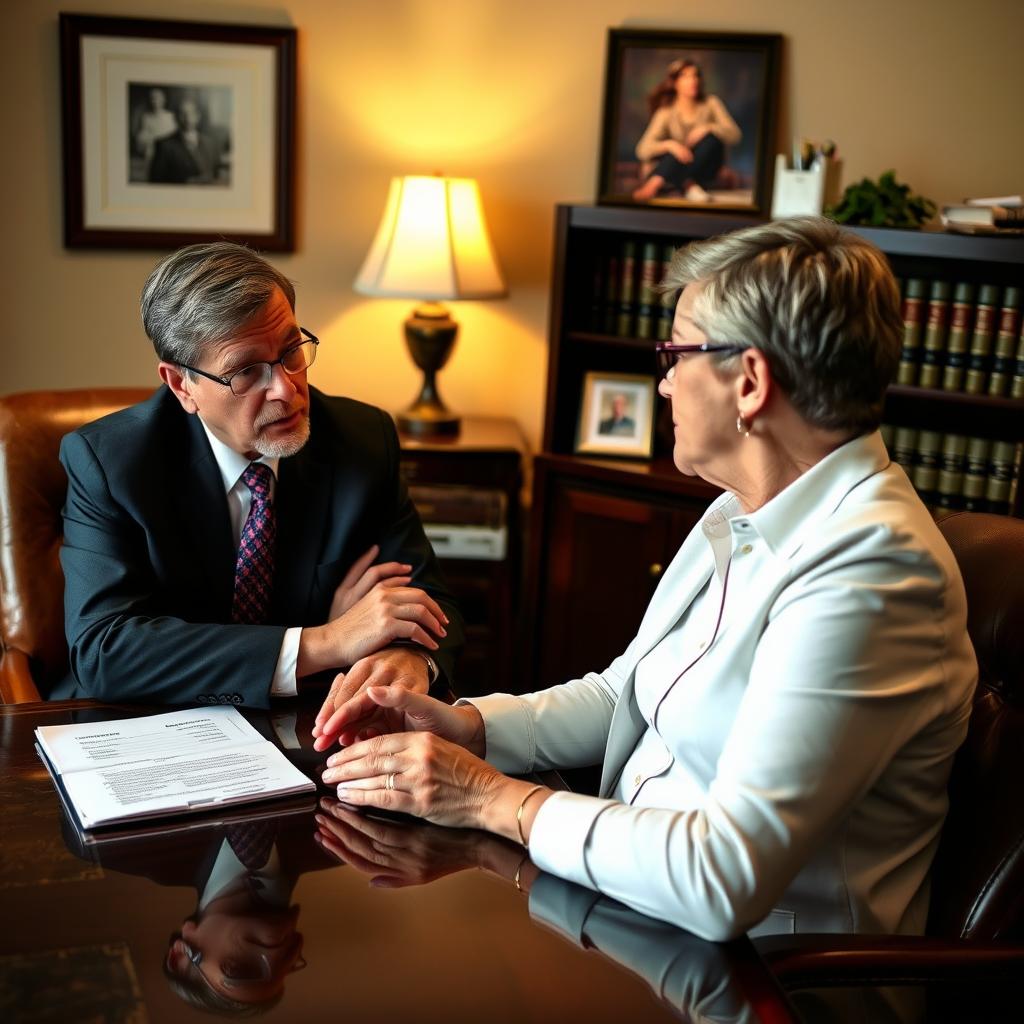
Physical Custody Lawyer Putnam County, NY
Physical custody—the determination of where a child will primarily live—is often the most emotionally charged issue in a family law matter. In Putnam County, New York, these disputes are resolved in the Family Court or, if part of a divorce, the Supreme Court. Mr. Sris, Owner and Founder of Law Offices Of SRIS, P.C., and his Of Counsel team represent parents throughout Putnam County, including Carmel, Brewster, Cold Spring, Mahopac, Putnam Valley, Kent, and Patterson. Our firm helps clients present their positions clearly, work toward workable parenting arrangements, and protect their relationship with their children. With a practice founded in 1997, Mr. Sris and his Of Counsel bring extensive combined legal experience to physical custody cases, guiding families through negotiation, mediation, and litigation as each situation requires. To discuss your specific situation and how we can assist, call (888) 437-7747. Law Offices Of SRIS, P.C. – Advocacy Without Borders.
What Physical Custody Means in Putnam County
Under New York law, physical custody refers to the parent who provides the child’s primary residence and day-to-day care. A parent may have sole physical custody, where the child lives with one parent and the other has scheduled visitation, or shared physical custody, where the child spends substantial time with both parents. Legal custody—the authority to make major decisions about the child’s welfare—is separate and may be awarded jointly even if physical custody is to one parent. The governing statute is the New York Domestic Relations Law, which directs courts to decide custody based on the best interests of the child, weighing factors such as each parent’s ability to provide a stable home, the child’s relationship with each parent, any history of domestic violence, and, when appropriate, the child’s own wishes.
In Putnam County, physical custody proceedings may be initiated as part of a divorce action in the Putnam County Supreme Court, located at 20 County Center in Carmel, or as a stand-alone petition in the Putnam County Family Court. The Family Court also handles visitation, child support, and orders of protection. Because the two courts have overlapping but distinct jurisdiction, the procedural path depends on whether the parents are married and seeking divorce. Local practice requires counsel to be familiar with both the Supreme Court and Family Court rules and with the expectations of the judges and support magistrates who serve the 9th Judicial District. Mr. Sris and his Of Counsel appear regularly in these courts, giving them insight into how physical custody issues are presented and resolved in Putnam County.
How Mr. Sris and His Of Counsel Handle Physical Custody Cases
Our approach to physical custody matters begins with a clear assessment of the family’s circumstances and the client’s goals. Mr. Sris and his Of Counsel gather relevant evidence—school records, communications between parents, witness statements, and any documentation of parental conduct—and evaluate the strengths and weaknesses of the case under the trusted-interests standard. We help clients understand whether negotiated resolution through a parenting plan or a custody stipulation is feasible, or whether litigation is necessary to protect the child’s welfare.
When a hearing is unavoidable, Mr. Sris and his Of Counsel prepare the client thoroughly, present evidence to the court, and cross-examine witnesses to test the other parent’s assertions. Throughout the process, we keep the focus on the child’s needs and stability, working to secure an arrangement that supports the parent-child bond. Because physical custody orders can be modified later if circumstances change, our representation does not end with an initial order; we also assist clients with post-judgment modifications when a substantial change in circumstances warrants a new custody review.
About Mr. Sris and His Of Counsel Team
Mr. Sris, Owner and Founder of Law Offices Of SRIS, P.C., founded the firm in 1997. A former prosecutor, he brings extensive litigation experience to family law matters and personally leads the firm’s custody practice. His Of Counsel attorneys—all experienced legal professionals—collaborate with Mr. Sris on Putnam County physical custody cases, contributing additional insight into New York family law, trial strategy, and negotiation. This team structure allows the firm to handle complex custody disputes while maintaining individual case review to each client.
Law Offices Of SRIS, P.C. serves clients across New York, including all five boroughs of New York City, Long Island, and the Hudson Valley. Mr. Sris is admitted in Virginia, Maryland, the District of Columbia, New Jersey, and New York. The firm’s New York location represents clients in Putnam County matters, and consultations are available by appointment. To speak with Mr. Sris or a member of his team about your physical custody case, call (888) 437-7747.
Frequently Asked Questions
What is the difference between physical custody and legal custody in New York?
Physical custody determines where the child lives and who provides daily care, while legal custody involves the right to make major decisions about the child’s education, healthcare, and religious upbringing. New York courts may award joint legal custody to both parents even when one parent has sole physical custody. Shared physical custody is also possible, where the child spends significant time in each parent’s home. The court tailors custody orders to the child’s best interests, considering factors such as each parent’s availability, the child’s relationship with siblings and extended family, and any history of domestic violence. Because the terms of custody orders affect every aspect of the child’s life, it is important to present a clear picture of the family’s circumstances to the court.
How does a court decide physical custody in Putnam County?
The court decides physical custody based on the best interests of the child, weighing factors such as parental fitness, the child’s wishes if mature enough, the stability of each home environment, and the ability of each parent to foster a relationship with the other parent. The Putnam County Family Court or Supreme Court will receive evidence from both parents, may interview the child in camera, and may appoint a lawyer for the child or a forensic evaluator in complex cases. There is no presumption that one parent is automatically preferred; the standard is always what arrangement best serves the child’s overall well-being. A family law attorney can help gather and present the evidence that supports your position.
Can a parent relocate with the child without court permission in Putnam County?
A custodial parent generally cannot move a child’s residence far enough to disrupt the other parent’s visitation without either the other parent’s written consent or a court order allowing the relocation. New York law requires a custodial parent who wishes to relocate to demonstrate that the move is in the child’s best interests. The non-custodial parent may object, and the court will then hold a hearing. Putnam County courts consider factors such as the reasons for the move, the quality of the child’s relationship with both parents, and the educational and family opportunities at the new location. Because relocation disputes can be intricate and emotionally charged, legal guidance early in the process is advisable.
Do I need a lawyer for a physical custody case in Putnam County?
While you are not legally required to have an attorney, physical custody cases involve procedural rules, evidentiary standards, and legal arguments that can significantly affect the outcome, and self-representation places you at a disadvantage. An experienced custody lawyer can help you understand how the trusted-interests standard applies to your facts, prepare and submit petitions correctly, advocate for temporary orders if needed, and cross-examine witnesses at a hearing. Law Offices Of SRIS, P.C. offers consultations to parents in Putnam County so they can make an informed decision about representation. To discuss your matter, call (888) 437-7747.
What should I bring to a consultation with a physical custody lawyer?
Bring any existing court orders, a written summary of the current parenting schedule, school and medical records for the child, correspondence with the other parent, and a list of questions about the legal process. Having these documents helps the attorney evaluate your situation quickly and gives you a productive start. Also bring identification and a notepad. During the consultation, you will discuss your goals, the history of the custody arrangement, any concerns you have about the other parent’s behavior, and what outcome you believe serves your child’s best interests. The attorney will then explain what legal steps might be taken and what to expect from the Putnam County courts.
How long does a physical custody case take in Putnam County?
The timeline for a physical custody case depends on whether the parents can reach an agreement, the court’s calendar, and the complexity of the issues involved. Uncontested custody stipulations can be finalized relatively quickly once documents are filed with the court. Contested cases, especially those requiring forensic evaluations or multiple hearings, take longer. The Putnam County Family Court schedules conferences and hearings according to its docket, and certain matters such as temporary custody or orders of protection may be heard on an expedited basis. To discuss the typical pace of a case with facts similar to yours, contact Law Offices Of SRIS, P.C. at (888) 437-7747.
Related legal services in the New York area:
- New York County (Manhattan) family law lawyer
- Kings County (Brooklyn) family law attorney
- Queens County family law representation
- Richmond County (Staten Island) custody lawyer
- Nassau County divorce and custody attorney
Official resources:
- Putnam County Supreme Court – 9th Judicial District
- New York Domestic Relations Law
- New York State Family Court
Attorney advertising. Prior results do not guarantee a similar outcome. Case results depend on a variety of factors unique to each case. Results may vary.