
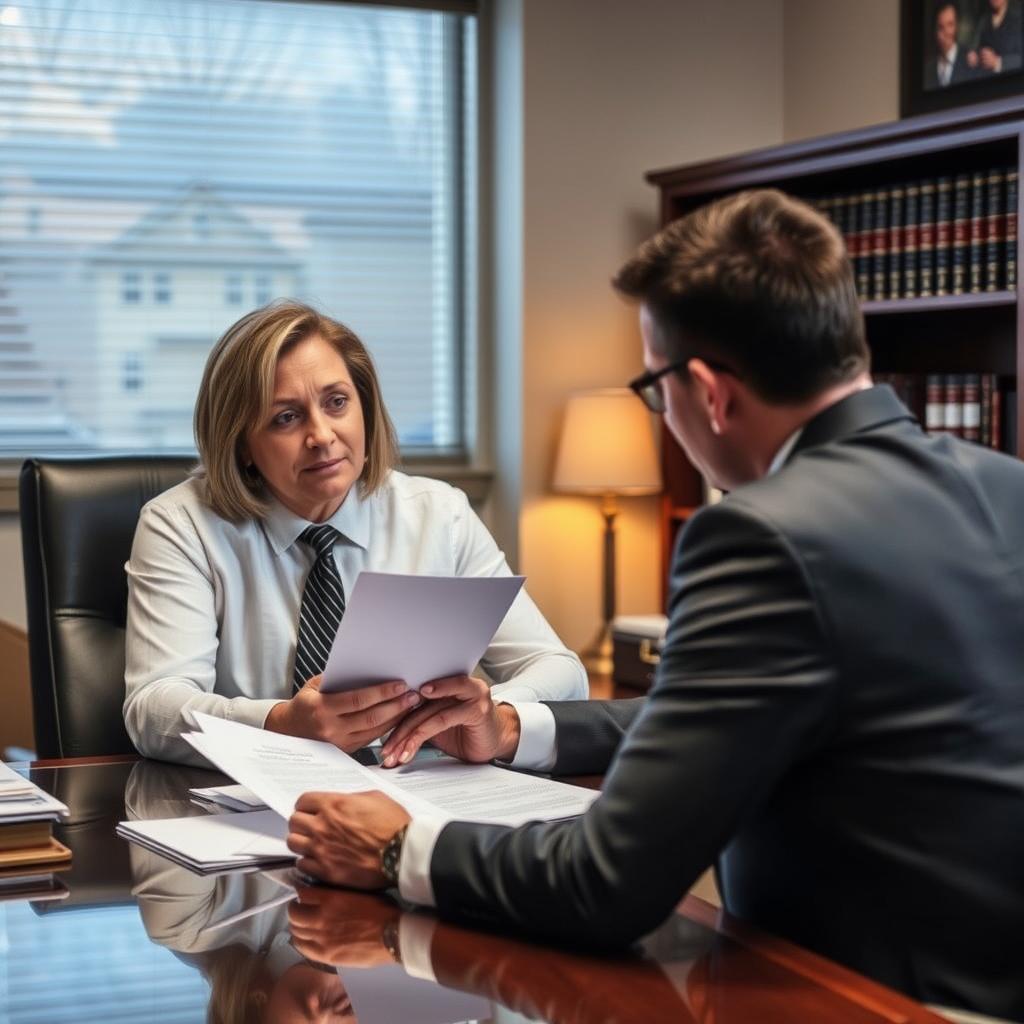
Cruelty Divorce Lawyer Cortland County, NY
When a marriage becomes untenable because of conduct that endangers the physical or mental well‑being of a spouse, New York law provides a fault‑based path to dissolution: a cruelty divorce. In Cortland County, these matters are heard in the New York Supreme Court, Cortland County, located at 46 Greenbush Street, Suite 301, Cortland, NY 13045. A cruelty divorce requires clear proof that the other spouse’s behavior was serious enough to make continued cohabitation unsafe or improper—mere unhappiness or incompatibility is not enough. Mr. Sris, Owner and Founder of Law Offices Of SRIS, P.C., and his Of Counsel team represent clients throughout Central New York in cruelty divorce proceedings. They work to present the facts clearly, protect your interests in property division and spousal support, and pursue a resolution that allows you to move forward. To discuss your situation with an experienced family law attorney, reach the firm at (888) 437‑7747. Law Offices Of SRIS, P.C. – Advocacy Without Borders.
What Cruelty Divorce Means in Cortland County, New York
In New York, a cruelty divorce is one of the fault grounds available under Domestic Relations Law § 170(1). The spouse seeking the divorce must show that the other party engaged in conduct that is so cruel and inhuman that it is unsafe or improper for the couple to continue living together. New York courts, including the Supreme Court in Cortland County, evaluate the totality of the circumstances—the nature and frequency of the acts, their effect on the claiming spouse, and whether they present a real threat to physical or mental health. Physical violence is not always required; a pattern of abuse, severe emotional mistreatment, or threats can satisfy the standard if it is sufficiently serious. Because cruelty is a fault‑based ground, the court’s determination can influence the distribution of marital property and the award of maintenance (spousal support).
Cortland County is part of the Sixth Judicial District, and the Supreme Court here handles all matrimonial actions, including cruelty divorces, while the Cortland County Family Court addresses related issues such as custody, visitation, and child support. The procedural rules in the Supreme Court require that a Complaint for divorce be filed and personally served on the defendant spouse. Once the case is commenced, automatic orders under DRL § 236 take effect, freezing marital assets and preventing changes to insurance coverage. Mr. Sris and his Of Counsel appear regularly in Cortland County Supreme Court and understand how the local judges and procedures apply to fault‑based divorce claims. They guide clients through each stage—from the initial consultation and drafting of the Complaint to discovery, settlement conferences, and, if necessary, trial.
How Mr. Sris and His Of Counsel Handle Cruelty Divorce Cases
Proving cruelty in a New York divorce requires careful evidence gathering and strategic presentation. Mr. Sris and his Of Counsel begin by meeting with the client to understand the specific conduct at issue—whether it involves physical aggression, threats, a sustained campaign of emotional abuse, or a combination. They then identify and preserve corroborating evidence: witness statements, police reports, medical records, photographs, electronic communications, or, in some cases, testimony from mental health professionals. The goal is to build a record that meets New York’s requirement that the cruelty be serious and ongoing, not a single isolated incident.
After filing the Complaint in Cortland County Supreme Court and serving the defendant, the case enters the discovery phase, where both sides exchange relevant documents and information. Mr. Sris and his Of Counsel use discovery to explore the facts that support the cruelty claim and to respond to any defenses raised by the other spouse. Many cruelty divorce cases resolve through negotiation or a settlement agreement before trial, which can avoid the stress of a contested hearing. If a trial becomes necessary, the team presents the evidence clearly and advocates for the client’s position on all issues—divorce, equitable distribution, maintenance, and any custody or support matters that may be pending in Family Court. Throughout, the focus is on achieving a resolution that is fair and that allows the client to regain stability.
About Mr. Sris and His Of Counsel Team
Mr. Sris, Owner and Founder of Law Offices Of SRIS, P.C., is a former prosecutor who has been practicing family law since founding the firm in 1997. He is admitted to the bars of Virginia, Maryland, the District of Columbia, New Jersey, and New York, and his experience includes appearances in courts across all five jurisdictions. Mr. Sris testified before the Virginia House Courts of Justice Committee in support of 2019 HB 635 (chief patron Del. David Bulova). He keeps his personal caseload manageable so that every client matter receives focused attention, and he collaborates closely with the firm’s Of Counsel team on complex divorce and family law cases.
Mr. Sris and his Of Counsel bring over 120 years of combined legal experience; the firm has achieved 4,739+ documented results. Results may vary. Every other attorney who works on firm cases is Of Counsel—experienced practitioners who are engaged through Excella, not firm employees. This structure allows the team to field attorneys with backgrounds that are well‑suited to the demands of fault‑based divorce litigation. For a cruelty divorce in Cortland County, Mr. Sris and his Of Counsel oversees the matter and draws on the collective knowledge of his Of Counsel to address the legal and practical challenges that arise.
Frequently Asked Questions
What qualifies as cruelty under New York divorce law?
Cruelty in a New York divorce means serious conduct by one spouse that makes it unsafe or improper for the parties to continue living together. The standard, set out in Domestic Relations Law § 170(1), is fact‑specific. Physical violence certainly qualifies, but courts also recognize extreme emotional or psychological abuse, persistent threats, or a course of behavior that endangers the other spouse’s health and well‑being. The conduct must be more than mere conflict or difficulty—it must be genuinely harmful. A Cortland County Supreme Court judge will weigh the totality of the circumstances, including the frequency and severity of the acts, to determine whether continued cohabitation is feasible. If you believe you have been subjected to cruelty, gathering any available documentation early can be important.
Do I need a lawyer for a cruelty divorce in Cortland County?
While you are not legally required to have a lawyer to file for divorce, handling a cruelty divorce without experienced counsel can put your interests at serious risk. Cruelty is a fault‑based ground; you must prove the other spouse’s misconduct by a preponderance of the evidence. An experienced family law attorney understands the rules of evidence, the local court procedures, and how to build a persuasive case. In Cortland County, the Supreme Court and Family Court may be involved in overlapping issues—divorce, custody, support, and property division—and an attorney can coordinate those matters. Mr. Sris and his Of Counsel routinely represent clients in cruelty divorces throughout Central New York and can evaluate your situation, explain your options, and advocate for a fair outcome.
How is a cruelty divorce different from a no‑fault divorce in New York?
The primary difference is that a no‑fault divorce requires only an irretrievable breakdown of the marriage for at least six months; a cruelty divorce requires proof that the defendant spouse’s conduct was so harmful that living together is unsafe or improper. A no‑fault divorce can be final more quickly because there is no contested conduct to prove. A cruelty divorce, by contrast, involves presenting evidence and may take longer to resolve. However, some clients choose a cruelty ground because they want the court to recognize the spouse’s misconduct, which can influence equitable distribution and maintenance. An experienced attorney can help you weigh the advantages and disadvantages of each path based on the facts of your case.
What role does Cortland County Supreme Court play in these cases?
The Cortland County Supreme Court has jurisdiction over all matrimonial actions, including cruelty divorces, for residents of Cortland County. The Supreme Court handles the divorce itself, equitable distribution of marital property, and awards of spousal maintenance. At the same time, the Cortland County Family Court may address child custody, visitation, and child support if those issues are raised. Mr. Sris and his Of Counsel are familiar with the practices of both courts and can ensure that all related matters are handled consistently. They appear at 46 Greenbush Street, Suite 301, Cortland, NY 13045 for Supreme Court proceedings and, when necessary, in Family Court nearby. Understanding the local court calendar and judicial expectations helps the team present your case efficiently.
Can cruelty affect how marital property is divided?
Yes, under New York’s equitable distribution statute, a court may consider the fault of a spouse, including cruelty, when deciding how to divide marital property. Domestic Relations Law § 236 lists factors the court must weigh, and one factor is whether the “marital waste” or actions of a spouse contributed to the breakdown of the marriage. While equitable distribution starts from the premise that property should be divided fairly, not necessarily equally, proof of cruelty can tilt the scales. For example, if the cruel conduct caused the other spouse significant economic harm or emotional trauma, the court may award a larger share of the marital estate or adjust maintenance. Mr. Sris and his Of Counsel help clients document the impact of cruelty on both finances and well‑being so the court has a full picture.
Additional family law representation in New York: Manhattan Family Law Attorney | Brooklyn Divorce & Family Lawyer | Queens County Family Lawyer | Nassau County Divorce Attorney
Our principal office is located in Buffalo, New York, approximately 150 miles from Cortland County. We represent clients in Cortland County and throughout Central New York, and our attorneys appear regularly in Cortland County Supreme Court.
Attorney advertising. Prior results do not guarantee a similar outcome. Case results depend on a variety of factors unique to each case. Results may vary.