
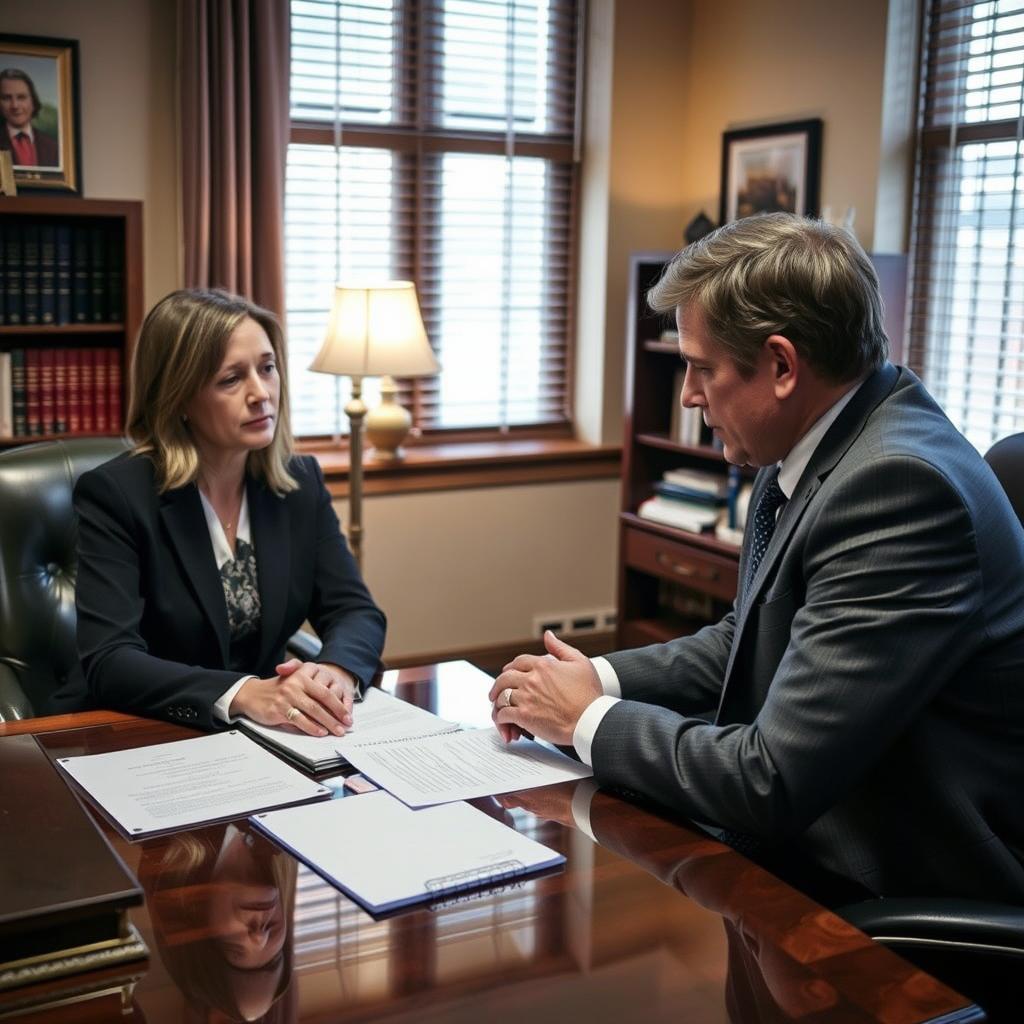
Cruelty Divorce Lawyer Seneca County, NY
In Seneca County, New York, a spouse whose physical or mental well‑being is endangered by the other spouse’s conduct may pursue a cruelty divorce under Domestic Relations Law § 170(1). This fault‑based ground requires evidence that the other spouse’s treatment makes it unsafe or improper for the parties to continue living together. Law Offices Of SRIS, P.C. represents individuals who are filing a cruelty divorce as well as those who must defend against such allegations in the 7th Judicial District. Our firm serves clients throughout Seneca County—Waterloo, Seneca Falls, Ovid, Lodi, Romulus, and the surrounding Finger Lakes communities—from our Buffalo location. Mr. Sris and his Of Counsel team concentrate on New York family law matters and appear regularly in Seneca County Supreme Court, located at 48 West Williams Street in Waterloo. To discuss whether cruelty grounds apply to your situation, call (888) 437‑7747 to request a consultation. Law Offices Of SRIS, P.C. – Advocacy Without Borders.
What Cruelty Divorce Means in Seneca County
Under New York law, cruelty is one of several fault‑based grounds for divorce. Domestic Relations Law § 170(1) authorizes the court to dissolve a marriage when the conduct of the defendant spouse so endangers the physical or mental well‑being of the plaintiff spouse that it is unsafe or improper for the plaintiff to cohabit with the defendant. The standard is not limited to physical harm; repeated verbal abuse, threats, and coercive control can also meet the statutory test when they substantially impair the plaintiff’s health or safety.
In Seneca County, a cruelty divorce petition is filed in the Supreme Court. The case proceeds in the 7th Judicial District, and related matters such as child custody, visitation, family offense petitions, and support may be heard in Seneca County Family Court. The judge examines the totality of the evidence—including witness testimony, medical records, police reports, and contemporaneous documents—to determine whether the defendant’s conduct rises to the level of cruelty. Because New York is an equitable distribution state, a finding of fault can influence the division of marital property and the award of spousal maintenance. The court’s primary focus, however, remains the fair resolution of the issues before it rather than punishment of either party.
Residents of Waterloo, Seneca Falls, Ovid, Lodi, Romulus, and Interlaken can seek representation that addresses both the fault‑based pleading requirements and any ancillary family law matters that may arise. Mr. Sris and his Of Counsel are experienced in building the factual record that the Seneca County courts require and in presenting that record effectively, whether through settlement negotiations or at trial.
How Mr. Sris and His Of Counsel Handle Cruelty Divorce Cases
A cruelty divorce begins with a thorough evaluation of the facts. The attorney examines the specific conduct alleged—its frequency, severity, and impact on the plaintiff—to determine whether it meets the legal standard. Because cruelty is an active fault ground, the plaintiff must present credible proof; the defendant may contest the allegations, raise procedural defenses, or request the court to convert the action to a no‑fault proceeding if the statutory requirements are met.
Once the client decides to proceed, the attorney prepares and files a verified complaint with the Seneca County Supreme Court and arranges for service on the defendant. Early in the case, either party may seek pendente lite relief—temporary orders regarding spousal maintenance, exclusive use of the marital residence, child custody, and support—while the divorce is pending. Discovery follows, including document requests and depositions. The firm works with investigators, medical experts, and other professionals when needed to build the record. Many cases resolve through a negotiated settlement, but when resolution is not possible, Mr. Sris and his Of Counsel are prepared to try the matter in the 7th Judicial District.
About Mr. Sris and His Of Counsel Team
Mr. Sris, Owner and Founder of Law Offices Of SRIS, P.C., has practiced family law since 1997. He is a former prosecutor whose experience in court has informed his approach to contested family law matters. Admitted in Virginia, Maryland, the District of Columbia, New Jersey, and New York, he concentrates on divorce, custody, and related litigation across the firm’s practice areas.
Mr. Sris and his Of Counsel bring over 120 years of combined legal experience. Results may vary. The firm has documented 4,739+ case results across all practice areas since 1997. In Seneca County, Mr. Sris and his Of Counsel leverage their multi‑state perspective and thorough understanding of New York’s Domestic Relations Law to help clients pursue favorable resolutions in cruelty divorce proceedings.
Frequently Asked Questions
What constitutes cruelty for a divorce in New York?
Under New York Domestic Relations Law § 170(1), cruelty means conduct by one spouse that endangers the physical or mental well‑being of the other spouse, making it unsafe or improper for the parties to continue living together. The standard can be met by physical violence, but repeated emotional abuse, threats, or coercive behavior may also qualify if they significantly harm the plaintiff’s health. The court examines the pattern of conduct, not isolated incidents, and requires that the danger be ongoing at or near the time of the divorce filing. Each case is fact‑specific, and the evidence necessary to prove cruelty will vary depending on the nature of the allegations.
Do I need a lawyer for a cruelty divorce in Seneca County?
While you are not legally required to have a lawyer, pursuing or defending a cruelty divorce without legal representation can be particularly challenging because you must meet a specific fault‑based standard. The rules of evidence and procedure in Seneca County Supreme Court are complex, and the outcome may affect property distribution, spousal maintenance, and family relationships. Working with an experienced family law attorney helps ensure that the complaint is properly pled, that the correct evidence is gathered and presented, and that your interests are protected throughout the case—whether through negotiation or trial.
How does the court consider cruelty in property division?
Because New York is an equitable distribution state, the court may consider fault, including cruelty, when deciding how to divide marital property and whether to award spousal maintenance. Equitable distribution does not automatically penalize the spouse found to have acted cruelly, but egregious conduct that shocks the conscience can influence the division. The judge weighs fault alongside other statutory factors such as the length of the marriage, each spouse’s income and earning capacity, and contributions to the marriage. An experienced attorney can frame the evidence of cruelty in a way that is relevant to the court’s equitable analysis.
Can a cruelty divorce affect child custody?
While child custody in New York is determined by the best interests of the child, the same evidence that supports a finding of cruelty may also be relevant to a parent’s fitness to care for a child. A history of domestic violence, abuse, or severe emotional instability demonstrated in a cruelty case can weigh against a parent in custody proceedings. Seneca County Family Court employs the statutory best‑interests factors under DRL § 240, and evidence of cruelty often overlaps with those factors. However, the custody determination is separate from the divorce itself, and a cruelty finding does not automatically bar contact or custody.
How long does a cruelty divorce take in Seneca County?
The timeline for a cruelty divorce varies significantly based on whether the case is contested. Uncontested divorces that are resolved by agreement may be concluded in approximately three to six months from filing to judgment. Contested cases that proceed through discovery, motions, and potentially trial often take 12 to 24 months or longer, depending on the court’s calendar and the complexity of the issues. Mandatory settlement conferences and any requests for pendente lite relief can also affect the schedule. The attorneys at Law Offices Of SRIS, P.C. work to advance the case efficiently while protecting the client’s rights at every stage.
How do I start a cruelty divorce in Seneca County?
To initiate a cruelty divorce, your attorney files a verified complaint with the Seneca County Supreme Court, accompanied by the required filing fee and a Request for Judicial Intervention. The complaint must set out the factual basis for the cruelty claim. Once filed, the defendant must be served with process in accordance with New York law. After service, the case proceeds through preliminary conferences, discovery, and possible motion practice. Many cases are resolved through settlement, but if trial is necessary, the matter will be heard before a judge in the 7th Judicial District. Contact our location at (888) 437‑7747 to schedule a consultation and discuss the next steps for your situation.
Family law resource pages: Manhattan Family Law Lawyer · Brooklyn Family Law Lawyer · Queens Family Law Lawyer · Nassau County Family Law Lawyer
Attorney advertising. Prior results do not guarantee a similar outcome. Case results depend on a variety of factors unique to each case. Results may vary.