
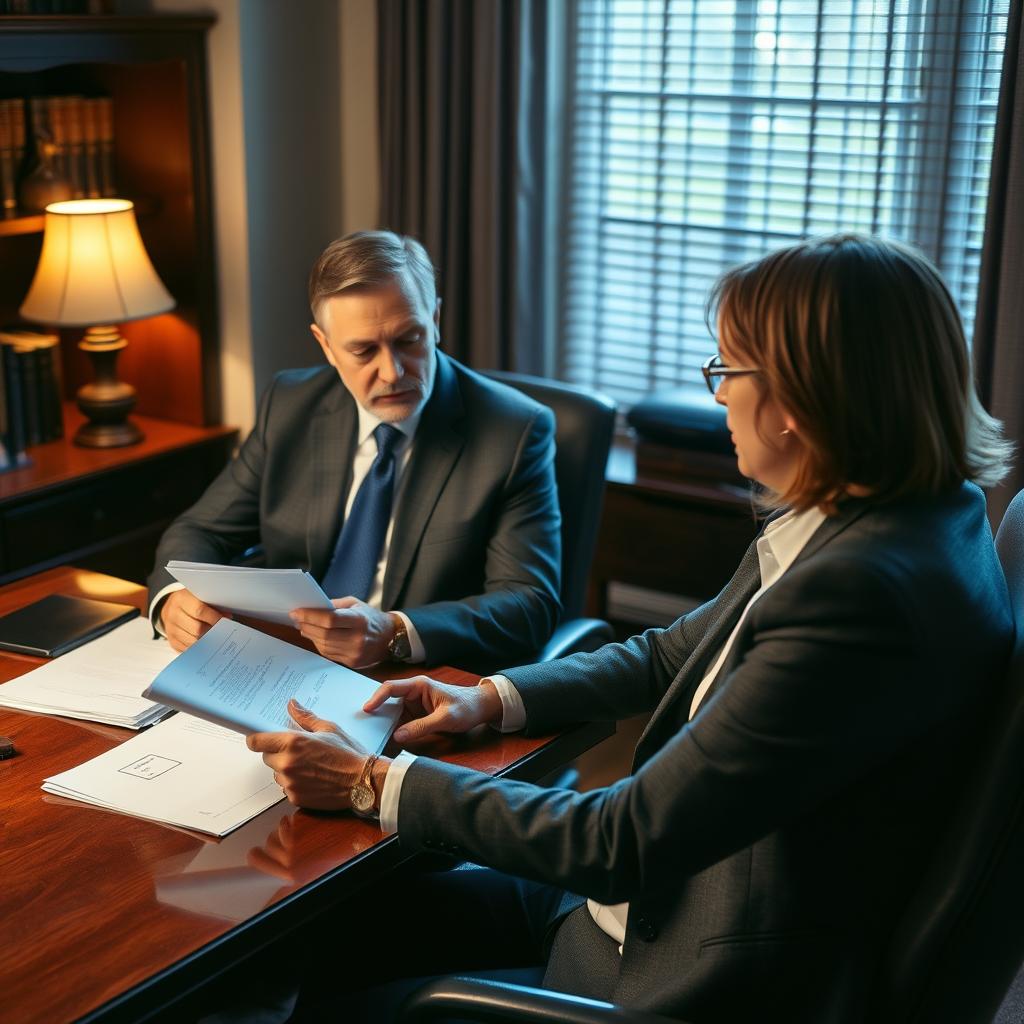
Cruelty Divorce Lawyer Tioga County, NY
You have reached a point where the cruelty in your marriage can no longer be endured. When the behavior of your spouse has become so harmful that remaining together is unsafe or emotionally destructive, New York law provides a path forward. Grounds for divorce based on cruel and inhuman treatment require that the conduct rises to a level that makes it unsafe or improper for you to continue living with your spouse. If you are in Tioga County — Owego, Waverly, Candor, or any surrounding Southern Tier community — Law Offices Of SRIS, P.C. is prepared to help. Mr. Sris and his Of Counsel represent clients in fault‑based divorce matters, including cruelty divorce, and they understand the evidence needed to meet the statutory standard in Tioga County Supreme Court. Call (888) 437‑7747 to request a confidential consultation. Law Offices Of SRIS, P.C. – Advocacy Without Borders.
Strategy Options for Proving Cruelty in a New York Divorce
New York Domestic Relations Law § 170(1) establishes cruel and inhuman treatment as a fault ground for divorce. To succeed on this ground, you must show that your spouse’s conduct endangered your physical or mental well‑being and made it unsafe or improper for you to continue the marriage. The law does not require physical violence; a pattern of psychological abuse, verbal threats, or other acts that create a hostile and unsafe environment can be sufficient.
Mr. Sris and his Of Counsel begin every cruelty case by evaluating the specific facts. They gather medical records, text messages, emails, witness statements, and any police reports that document the abuse. In some cases, electronic evidence — such as threatening voicemails or social media posts — can be especially persuasive. The team works with you to build a record that demonstrates the severity and continuity of the conduct. While most divorce cases in Tioga County reach resolution through negotiation or settlement conferences, a well‑prepared cruelty case can strengthen your position in property division and spousal maintenance discussions. When a settlement is not possible, the evidence is presented to the court at trial. Because so much turns on the credibility of the parties and the quality of the documentation, having experienced counsel develop your strategy is essential.
What to Expect from the Divorce Process in Tioga County
A cruelty divorce in Tioga County follows the same procedural path as other contested divorce actions in the New York Supreme Court. The case is commenced by filing a summons and complaint — or a summons with notice — in the Tioga County Supreme Court, located at 20 Court Street in Owego. New York law imposes automatic orders under DRL § 236 that freeze marital assets and prohibit changes to insurance coverage once the case is filed. This preserves the financial status quo while the matter is pending.
After the complaint is served and a response is filed, the court typically schedules a preliminary conference and directs the parties to engage in discovery. In cruelty cases, discovery often focuses on the facts supporting the allegation — depositions, interrogatories, and document requests are used to flesh out the evidence. The court may also order a settlement conference to explore whether the parties can resolve the issues without trial. If the case proceeds, a judge will determine whether the statutory ground of cruelty has been proven. Throughout the process, Mr. Sris and his Of Counsel handle all procedural steps so that you can focus on your well‑being. They have experience appearing in the 6th Judicial District and know the local practices of the Tioga County Supreme Court.
The Impact of a Cruelty Finding on Property Division and Support
New York is an equitable distribution state, meaning that marital property is divided fairly — not necessarily equally — under DRL § 236. While fault is generally not a factor in property division, a finding of cruelty can influence the outcome in certain situations. For example, egregious misconduct that depletes marital assets or causes significant economic harm to the other spouse may be considered by the court. Similarly, cruelty that directly affects a spouse’s earning capacity or health can be relevant when the court determines the need for spousal maintenance.
Maintenance — often called alimony — is calculated under statutory guidelines that consider the length of the marriage and the parties’ incomes. In a cruelty case, the court may deviate from the guideline amount if it finds that the guideline would be unjust or inappropriate. A spouse who has been the victim of severe cruelty and is unable to work or requires time to complete education or training may receive a greater award. Custody and parenting time are also addressed in the divorce, and while cruelty between spouses does not automatically affect custody, any evidence that the conduct endangered the children can be a factor in the court’s best‑interests analysis.
Attorney Credentials
Mr. Sris, Owner and Founder of Law Offices Of SRIS, P.C., has practiced since 1997. A former prosecutor, he brings decades of litigation experience to family law matters. His Of Counsel team includes attorneys with extensive backgrounds in family and divorce law, and together they bring over 120 years of combined legal experience with 4,739+ documented firm-wide results. Results may vary. Mr. Sris is admitted to practice in New York, Virginia, Maryland, the District of Columbia, and New Jersey. The firm maintains a location in Buffalo, New York, and represents clients across the Southern Tier and throughout Tioga County.
Frequently Asked Questions
What constitutes cruelty in a New York divorce?
Cruel and inhuman treatment under New York DRL § 170(1) means conduct that endangers the physical or mental well‑being of the other spouse, rendering it unsafe or improper for that spouse to continue living with the other. Physical violence is not required — a pattern of verbal abuse, emotional manipulation, or controlling behavior can qualify. The key question is whether the totality of the circumstances makes the marriage intolerable. The court examines the duration, severity, and effect of the behavior on the complaining spouse.
How do I prove cruelty in Tioga County?
Proving cruelty requires credible evidence such as medical or counseling records, police reports, witness testimony, and electronic communications that establish the nature and pattern of the mistreatment. A thorough investigation is essential. Mr. Sris and his Of Counsel help clients gather and organize this documentation, and they may engage investigators or attorneys when needed. Because credibility is often central, preparation for deposition and trial testimony is critical.
Can a finding of cruelty affect child custody?
A finding of cruelty between spouses does not automatically change custody, but it can influence the court’s best‑interests determination if the conduct directly endangered the children or created an unsafe home environment. New York courts focus on the children’s safety and well‑being. Any evidence that the cruelty exposed the children to harm, whether physical or emotional, is carefully considered. An experienced attorney can present this evidence in the context of the statutory custody factors.
Do I need a lawyer for a cruelty divorce in Tioga County?
While you are not legally required to hire an attorney, proceeding without one in a fault‑based divorce is risky. Proving cruelty requires understanding the legal standard, gathering the right evidence, and presenting it effectively in court or in settlement negotiations. Mistakes can weaken your case and affect property division, spousal maintenance, and custody outcomes. Mr. Sris and his Of Counsel provide representation tailored to the facts of your situation.
How long does a cruelty divorce take?
The timeline for a cruelty divorce depends on the complexity of the case and the court’s calendar. If the parties can settle, the matter may resolve in a shorter period. When trial is necessary, the process takes longer due to discovery, motions, and court scheduling. Each case is different; for guidance on what to expect in your situation, contact our firm to request a consultation.
What if my spouse contests the cruelty allegation?
If your spouse denies the cruelty, the court will hold a hearing or trial to decide whether the statutory ground has been proven. This means both sides will present evidence and testimony. Having a lawyer who can cross‑examine the other party and present a coherent, well‑supported case is essential. Mr. Sris and his Of Counsel have trial experience and know how to build a persuasive record.
Serving families across the Southern Tier · Tioga County Divorce Lawyer · Tioga County Family Law Attorney · Tioga County Child Custody Lawyer
To arrange a consultation about a cruelty divorce in Tioga County, reach Law Offices Of SRIS, P.C. at (888) 437‑7747. Our New York location is at 50 Fountain Plaza, Suite 1400, Office No. 142, Buffalo, NY 14202. By appointment only.
Attorney advertising. Prior results do not guarantee a similar outcome.
Case results depend on a variety of factors unique to each case.
Results may vary.