
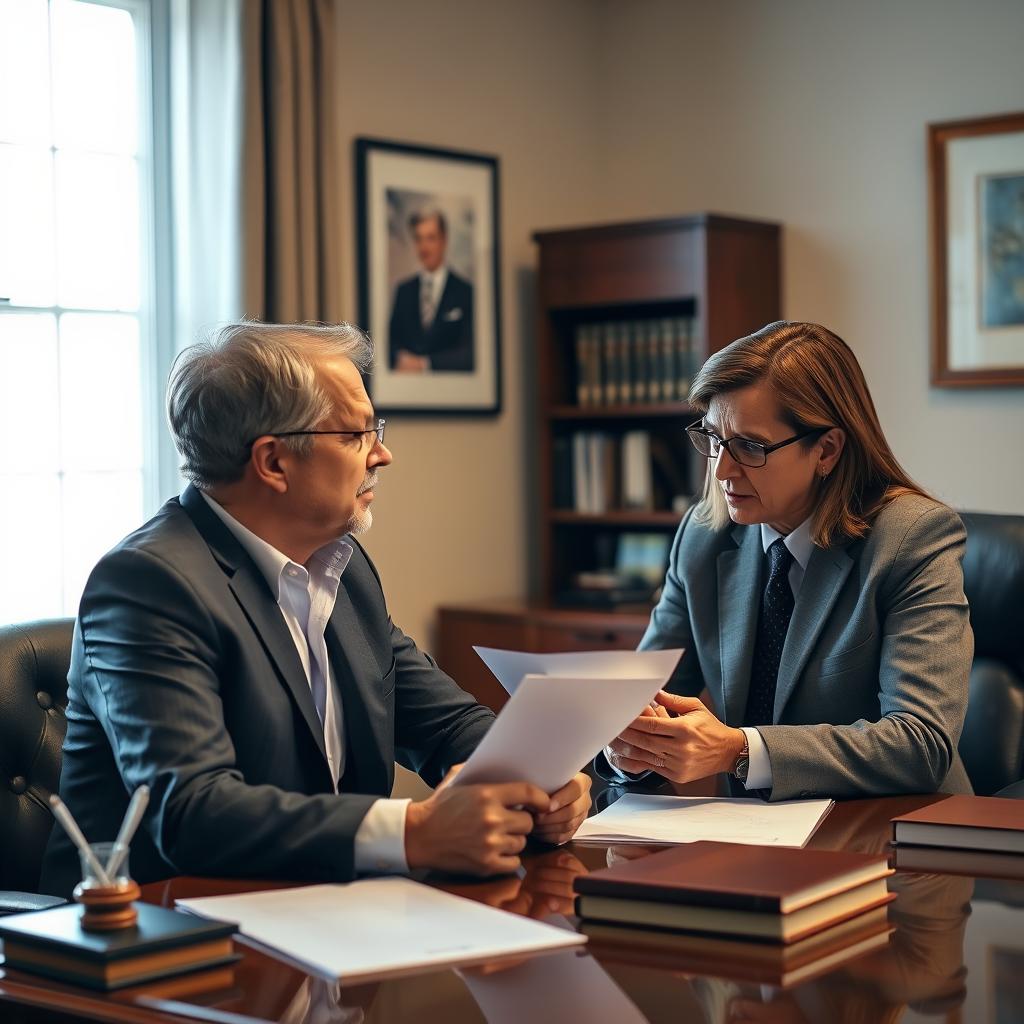
Cruelty Divorce Lawyer Genesee County, NY
You have tried to hold your marriage together, but the treatment you have endured has crossed a line. If your spouse’s conduct in Genesee County has become cruel and inhuman—physically dangerous, emotionally abusive, or threatening to your mental well-being—you may have grounds for a fault-based divorce under New York’s Domestic Relations Law. The days and nights of walking on eggshells have taken a toll, and you know you cannot continue. At Law Offices Of SRIS, P.C., Mr. Sris and his Of Counsel represent spouses in Genesee County who need to end a marriage marked by cruelty. Our firm’s New York location, by appointment only in Buffalo, serves clients in Batavia, Le Roy, Bergen, Byron, Elba, Pembroke, Alexander, Stafford, Oakfield, Corfu, and throughout western New York. You are not alone, and you do not have to navigate this alone. To speak with us about a cruelty divorce in Genesee County, call (888) 437-7747.
Law Offices Of SRIS, P.C. – Advocacy Without Borders.
What Cruelty Divorce Means in Genesee County
In New York, a divorce based on cruelty is a fault ground that allows a spouse to seek an immediate dissolution of the marriage without the six‑month waiting period required for a no‑fault divorce. Under New York Domestic Relations Law § 170, a divorce may be granted when one spouse has treated the other in a “cruel and inhuman” manner such that the conduct endangers the physical or mental well‑being of the complaining spouse and makes it unsafe or improper for the marriage to continue. Genesee County courts apply this standard case by case, looking at the totality of the circumstances. Because New York is an equitable‑distribution state, a finding of cruelty can also influence how a judge weighs the division of marital property and the determination of spousal maintenance.
The Genesee County Supreme Court in Batavia (1 West Main Street) has jurisdiction over matrimonial actions, including cruelty divorces. If minor children are involved, companion matters about custody and support may be heard in Genesee County Family Court. Being familiar with how the judges in this rural Western New York county approach fault allegations matters. While every case is different, an experienced attorney who regularly appears before the Genesee County bench can help you understand what to expect when you present evidence of cruel treatment—whether the cruelty involved physical violence, persistent verbal abuse, threats, isolation, or other conduct that the court may find rises to the statutory level.
How Mr. Sris and His Of Counsel Handle Cruelty Divorce Cases
Mr. Sris and his Of Counsel handle cruelty divorces by first listening carefully to your account of what you have lived through. We gather the documentation, any medical records, photographs, police reports, or witness statements you may have, and assess whether the facts meet the cruelty standard under New York case law. Then we discuss your goals: Do you need temporary support while the case is pending? Are you concerned about your safety? Do you want to negotiate a settlement or are you prepared to take the matter to trial? Because cruelty is a fault ground, the process can involve depositions, motions, and possibly a hearing where the judge will listen to testimony about the conduct you allege. We prepare our clients thoroughly, but we never promise a specific outcome. Our role is to present your side clearly, protect your rights, and work toward a favorable resolution.
Even when the case is contentious, many divorces settle before trial. We explore whether the other side is willing to agree to a separation agreement that resolves all property, support, and custody issues on terms that are fair to you. If a settlement cannot be reached, we are prepared to litigate. Throughout the proceeding, we remain mindful of the emotional toll this process can take, and we encourage you to lean on support networks and, when appropriate, mental health professionals.
About Mr. Sris and His Of Counsel Team
Mr. Sris, Owner and Founder of Law Offices Of SRIS, P.C., has practiced since 1997 and is admitted in Virginia, Maryland, the District of Columbia, New Jersey, and New York. A former prosecutor, he understands how to evaluate evidence, cross‑examine witnesses, and argue before judges. Mr. Sris and his Of Counsel bring over 120 years of combined legal experience and have achieved 4,739+ documented firm-wide results. Results may vary. The firm’s New York location, at 50 Fountain Plaza, Suite 1400, Office No. 142, Buffalo, NY 14202, serves clients in Genesee County by appointment. Call (888) 437-7747 to discuss scheduling.
Frequently Asked Questions About Cruelty Divorce in Genesee County
What constitutes cruelty in a New York divorce?
Cruelty under New York Domestic Relations Law § 170 means conduct that endangers the physical or mental well‑being of the complaining spouse, making it unsafe or improper for the marriage to continue. The standard is not defined by a checklist; courts examine the totality of the circumstances, including the frequency, severity, and impact of the behavior. Acts of physical violence, verbal abuse that causes serious emotional harm, threats of violence, and systematic isolation can all qualify. The conduct must be more than occasional arguments or incompatibility. Because the determination is fact‑intensive, working with an attorney who can help you document and present the pattern of treatment is crucial.
How is cruelty different from a no‑fault divorce in New York?
A cruelty divorce is based on fault, while a no‑fault divorce requires only an irretrievable breakdown of the relationship for at least six months. Opting for cruelty may allow you to proceed to judgment more quickly, without the statutory waiting period. However, you must prove the alleged misconduct to the satisfaction of the court. A no‑fault divorce avoids the need to present evidence of fault, but you must be separated for at least six months, or have filed a signed separation agreement. Your choice of grounds can affect property division and spousal maintenance, so you should discuss your specific situation with an attorney.
Can I get a cruelty divorce without showing physical injuries?
Yes, mental cruelty that seriously affects your emotional well‑being can be sufficient under New York law, even in the absence of physical marks or medical treatment. Courts recognize psychological abuse such as extreme verbal harassment, threats, isolation from family and friends, and constant denigration when it rises to a level that endangers your mental health. Evidence may include testimony about the emotional impact, text messages, emails, and corroborating statements from witnesses who observed the conduct or its effects. An attorney can help you evaluate whether the specific behavior you have experienced meets the standard.
Does a cruelty finding affect property division or spousal support?
New York courts may consider a spouse’s cruel conduct when deciding equitable distribution and spousal maintenance, though the effect varies by case. Fault is not the primary factor, but the Domestic Relations Law permits a judge to weigh marital misconduct as one of the many factors in determining what is fair. For maintenance, the court looks at, among other things, whether the conduct of one party has unfairly reduced the other spouse’s earning capacity or caused financial waste. An experienced family lawyer can help you understand how cruelty allegations might influence the financial outcome of your divorce.
Do I need a lawyer for a cruelty divorce in Genesee County?
You are not legally required to hire an attorney, but an experienced lawyer can significantly help protect your rights when cruelty allegations are at issue. Proving a fault ground requires presenting credible testimony and documentary evidence. Without legal guidance, you may inadvertently weaken your case by failing to introduce key evidence or by making statements that the other side can use against you. An attorney can also negotiate a settlement that accounts for the fault allegations and their financial implications. For a consultation with a cruelty divorce lawyer familiar with Genesee County courts, call (888) 437-7747.
How long does a cruelty divorce take in Genesee County?
The timeline varies depending on whether the case is contested, the court’s calendar, and the complexity of the evidence. If your spouse does not contest the cruelty ground and you are able to resolve all other issues by agreement, the divorce may be concluded in a matter of months after filing. If the cruelty allegation is contested, the case can take significantly longer, particularly if hearings or a trial are needed. The Genesee County Supreme Court schedules matters on its own calendar, and no attorney can guarantee a specific completion date.
What if my spouse denies the cruelty allegations?
If your spouse challenges the cruelty allegations, a judge will hold a hearing where both sides present evidence and testimony. You must then prove the cruel and inhuman treatment by a preponderance of the evidence—more likely than not. The judge will assess the credibility of the witnesses and the weight of the physical evidence. Even in a contested case, it is still possible to reach a settlement if both parties wish to avoid a public trial. Your attorney can help you weigh the risks and benefits of going to trial versus agreeing to a resolution on other grounds.
Can a cruelty divorce be filed while my spouse and I still live together?
Yes, you may file a cruelty divorce while still residing under the same roof in New York, provided the conduct you allege meets the statutory standard. Living together does not automatically bar a fault‑based divorce, but it may make the factual presentation more difficult because the court will scrutinize whether the conduct truly made it unsafe or improper to continue the marriage. You may also want to explore pendente‑lite relief, such as an order of exclusive occupancy of the marital home, if safety is a concern. Discussing your living situation with an attorney during a confidential consultation is an important first step.
Additional Family Law Help Across New York
Our firm also represents clients in family law matters throughout New York’s metropolitan area, Long Island, and beyond. You can learn more about our services in the following counties:
- Family Law Lawyer New York County (Manhattan)
- Family Law Lawyer Kings County (Brooklyn)
- Family Law Lawyer Queens County
- Family Law Lawyer Richmond County (Staten Island)
- Family Law Lawyer Nassau County (Long Island)
Attorney advertising. Prior results do not guarantee a similar outcome.
Case results depend on a variety of factors unique to each case.
Results may vary.