
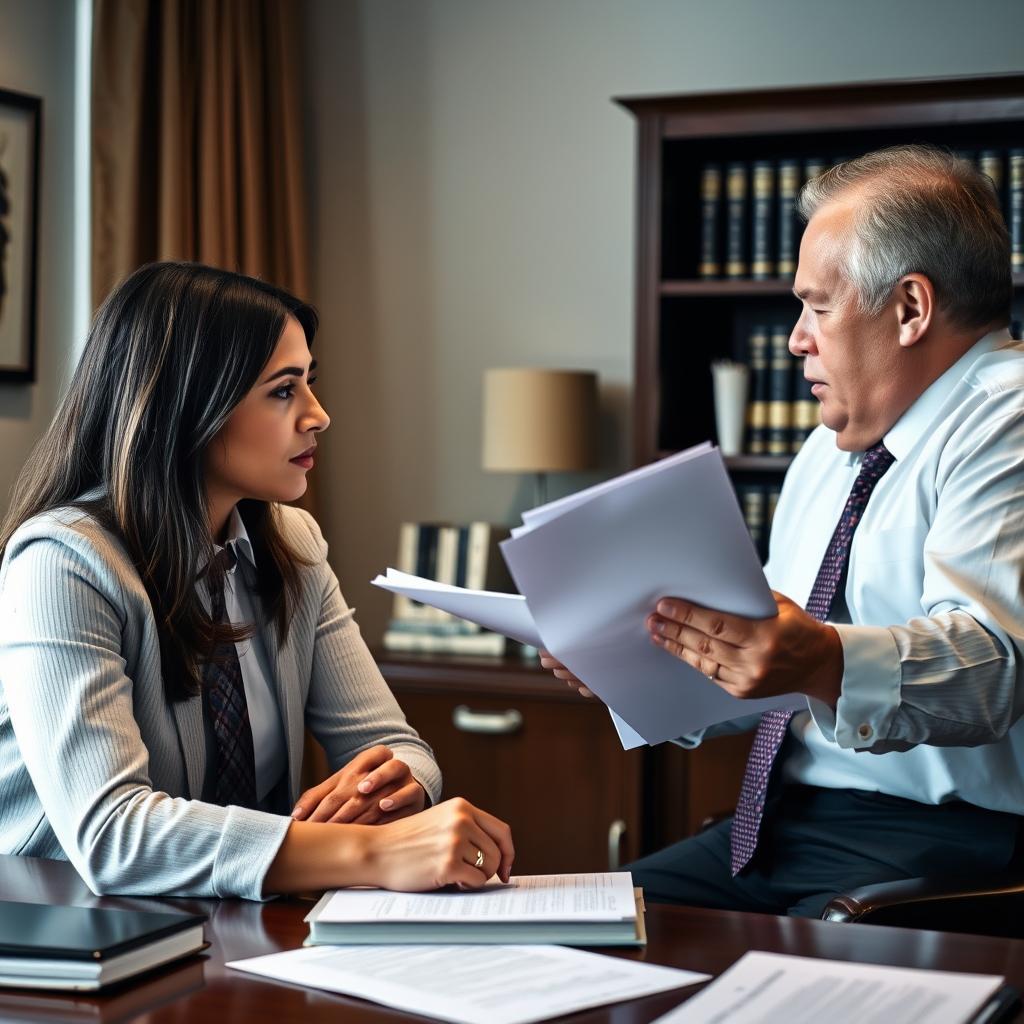
Cruelty Divorce Lawyer Nassau County, NY
You may be at the point where the marriage you entered with hope has become a source of pain caused by your spouse’s conduct—conduct that feels beyond what anyone should have to endure. When that mistreatment rises to a level that makes living together unsafe or unreasonable, New York law allows a spouse to seek a divorce on the ground of cruel and inhuman treatment. If you are in Mineola, Garden City, Hempstead, Long Beach, or anywhere in Nassau County and you are considering ending your marriage because of such conduct, you need a clear understanding of what this path involves. Law Offices Of SRIS, P.C. represents individuals across Long Island in cruelty-based divorce proceedings. Reach our location at (888) 437-7747 to schedule a consultation. Law Offices Of SRIS, P.C. – Advocacy Without Borders.
What a Cruelty Divorce Means in Nassau County
In New York, a marriage can be dissolved on the fault ground of cruel and inhuman treatment. This means the spouse seeking the divorce must show that the other spouse’s actions created a condition where their physical or mental well‑being is endangered and cohabitation is no longer safe or appropriate. Unlike no‑fault divorce—which requires only an irretrievable breakdown—the cruelty ground places the reason for the marriage’s end squarely on the harmful conduct of one party. Proving cruel and inhuman treatment in a Nassau County Supreme Court divorce action requires more than allegations of ordinary marital discord; it demands evidence that the behavior was serious, occurred over a period of time, and rendered continued cohabitation unreasonable.
Nassau County Supreme Court, located at 100 Supreme Court Drive in Mineola, is the court of general jurisdiction that hears divorce cases. Because cruelty is a fault ground, the legal and factual narrative presented to the court matters deeply. The complaining spouse must establish a pattern of conduct—whether physical acts, verbal abuse, or other forms of mistreatment—that taken together crosses the statutory threshold. The precise legal standard is qualitative; New York’s Domestic Relations Law does not define every act that qualifies, and judges in the 10th Judicial District evaluate each case on its unique circumstances. In our practice, the court looks for a totality of the circumstances that shows the marriage cannot continue because of the offending spouse’s behavior. The process involves careful pleadings, a summoning of witnesses and records, and, frequently, testimony at trial or at a hearing. Because the ground is fault‑based, issues of equitable distribution, spousal maintenance, and even custody may be influenced by the court’s findings regarding the cruelty.
Our New York location serves clients throughout Nassau County—from Hempstead and Freeport to Oyster Bay and Syosset—with a Buffalo‑based location that coordinates with the firm’s multi‑state practice. All consultations are by appointment. Mr. Sris and his Of Counsel team work to build a record that presents the cruel and inhuman treatment clearly and persuasively, while protecting your interests in the financial and parenting aspects of the divorce.
How Mr. Sris and His Of Counsel Handle Cruelty Divorce Cases
Approaching a cruelty divorce begins with a detailed conversation. Mr. Sris and his Of Counsel listen to your account, identify the specific acts that constitute cruel and inhuman treatment under New York law, and explain what evidence the court is likely to find significant. We then gather the documentation and testimony needed to prove the ground—medical records, communications, photographs, or statements from individuals who witnessed the conduct. Because cruelty often involves a pattern of behavior rather than a single incident, our work includes constructing a timeline that demonstrates the ongoing nature of the treatment and its effect on your well‑being.
After the initial investigation, we draft and file the Summons and Complaint or Summons with Notice in the Nassau County Supreme Court. The pleading sets out the essential factual allegations asserting the cruelty ground. Throughout the case, Mr. Sris and his Of Counsel attend court conferences, negotiate with opposing counsel, and—when a settlement cannot be reached—prepare for trial. Along the way we also address the related issues that arise in every divorce: equitable distribution of marital property, spousal maintenance (alimony), child custody, and child support. While the cruelty ground can influence how these issues are resolved, our focus remains on achieving a result that aligns with your goals while presenting the evidence of the other spouse’s conduct in a manner the court can properly consider. The timeline of a contested divorce depends on the court’s calendar and the complexity of the matter; however, Mr. Sris and his Of Counsel advance the case diligently and keep you informed at each stage.
About Mr. Sris and His Of Counsel Team
Law Offices Of SRIS, P.C. was founded in 1997 by Mr. Sris, a former prosecutor who brings a distinctive perspective to family law disputes. Mr. Sris, Owner and Founder, is admitted to practice in Virginia, Maryland, the District of Columbia, New Jersey, and New York. He has testified before the Virginia House Courts of Justice Committee in support of 2019 HB 635 (chief patron Del. David Bulova). His Of Counsel, engaged through Excella, are experienced litigators who concentrate in family law matters. Mr. Sris and his Of Counsel bring over 120 years of combined legal experience. Results may vary. They have documented 4,739+ case results across all practice areas since 1997.
Frequently Asked Questions
What is a cruelty divorce in New York?
A cruelty divorce is a dissolution of marriage granted because one spouse treated the other with such cruel and inhuman conduct that living together is unsafe or improper. Under New York’s Domestic Relations Law, the cruelty ground requires proof of a pattern of behavior that endangers the physical or mental well‑being of the complaining spouse. Courts in Nassau County evaluate factors such as the nature, frequency, and duration of the conduct, as well as its impact on the spouse seeking the divorce. Unlike a no‑fault divorce, the cruelty ground directly assigns responsibility for the marriage’s failure to the offending spouse and can affect ancillary issues like spousal maintenance and equitable distribution.
How do I prove cruel and inhuman treatment in Nassau County?
You prove cruel and inhuman treatment by presenting credible evidence—such as medical records, communications, witness testimony, and your own testimony—that demonstrates a pattern of harmful conduct by your spouse. The evidence must show that the treatment was serious and not merely isolated incidents of marital discord. Our team works with you to identify the strongest evidence available, organize it chronologically, and present it to the court at trial or in support of a motion. Because no two cases are alike, the strategy is tailored to the specific facts of your marriage.
Do I need a lawyer for a cruelty divorce?
You are not legally required to have a lawyer, but a cruelty divorce is a fault‑based proceeding that involves complex evidentiary and legal issues—so representation by an experienced attorney is strongly recommended. Proving cruel and inhuman treatment requires a thorough understanding of what New York courts consider sufficient. Procedural missteps can delay the case or weaken your position. Mr. Sris and his Of Counsel handle all aspects of the case, from drafting the complaint to presenting evidence at trial, helping you navigate the process while you focus on moving forward.
What is the difference between a cruelty divorce and no‑fault divorce in New York?
A cruelty divorce is a fault‑based divorce that requires proof of harmful conduct by one spouse, whereas a no‑fault divorce requires only a showing that the marriage has irretrievably broken down for at least six months. In a cruelty divorce, the court examines the spouse’s behavior and its consequences, which can influence decisions about property division and spousal support. A no‑fault divorce avoids litigating fault and often proceeds more quickly. Choosing between them depends on your circumstances, the evidence you have, and your goals regarding ancillary issues.
How is property divided in a cruelty divorce?
New York follows equitable distribution, meaning marital property is divided fairly based on statutory factors, not necessarily equally. In a cruelty divorce, the court may consider the circumstances of the marriage—including the cruel and inhuman treatment—as one of the factors when deciding an equitable split. Separate property remains with the spouse who owns it. Detailed financial disclosure, experienced attorney valuations if needed, and careful advocacy are essential to ensure a just distribution. Our team works to protect your financial interests throughout the process.
Can I get spousal support based on cruelty?
Spousal maintenance in New York is determined by a statutory formula and various factors, including the conduct of the parties during the marriage. While cruelty itself does not automatically entitle a spouse to maintenance, the court may take that conduct into account when setting the amount and duration of support—especially if the conduct affected the receiving spouse’s earning ability or well‑being. Temporary maintenance may be available while the divorce is pending; post‑divorce maintenance depends on the length of the marriage, income disparities, and other statutory considerations. A detailed presentation of the cruelty and its impact can play an important role in a maintenance award.
Mr. Sris and his Of Counsel have documented 4,739+ case results across all practice areas since 1997. Results may vary.
Source: Firm case records. Reviewed by Mr. Sris, admitted in VA/MD/DC/NJ/NY.
Reviewed by Mr. Sris, admitted in VA/MD/DC/NJ/NY.
For a consultation about filing a cruelty divorce in Nassau County, reach Law Offices Of SRIS, P.C. at (888) 437-7747.
Internal resources: Divorce Lawyer Nassau County | Family Lawyer Suffolk County | Family Lawyer Queens County | High Net Worth Divorce NY
Virginia primary sources: Virginia Code Title 20 (Domestic Relations) | Virginia Courts
Attorney advertising. Prior results do not guarantee a similar outcome. Case results depend on a variety of factors unique to each case. Results may vary. Attorney responsible for this advertising: Mr. Sris. By appointment only. Law Offices Of SRIS, P.C., 50 Fountain Plaza, Suite 1400, Office No. 142, Buffalo, NY 14202. (888) 437-7747.