
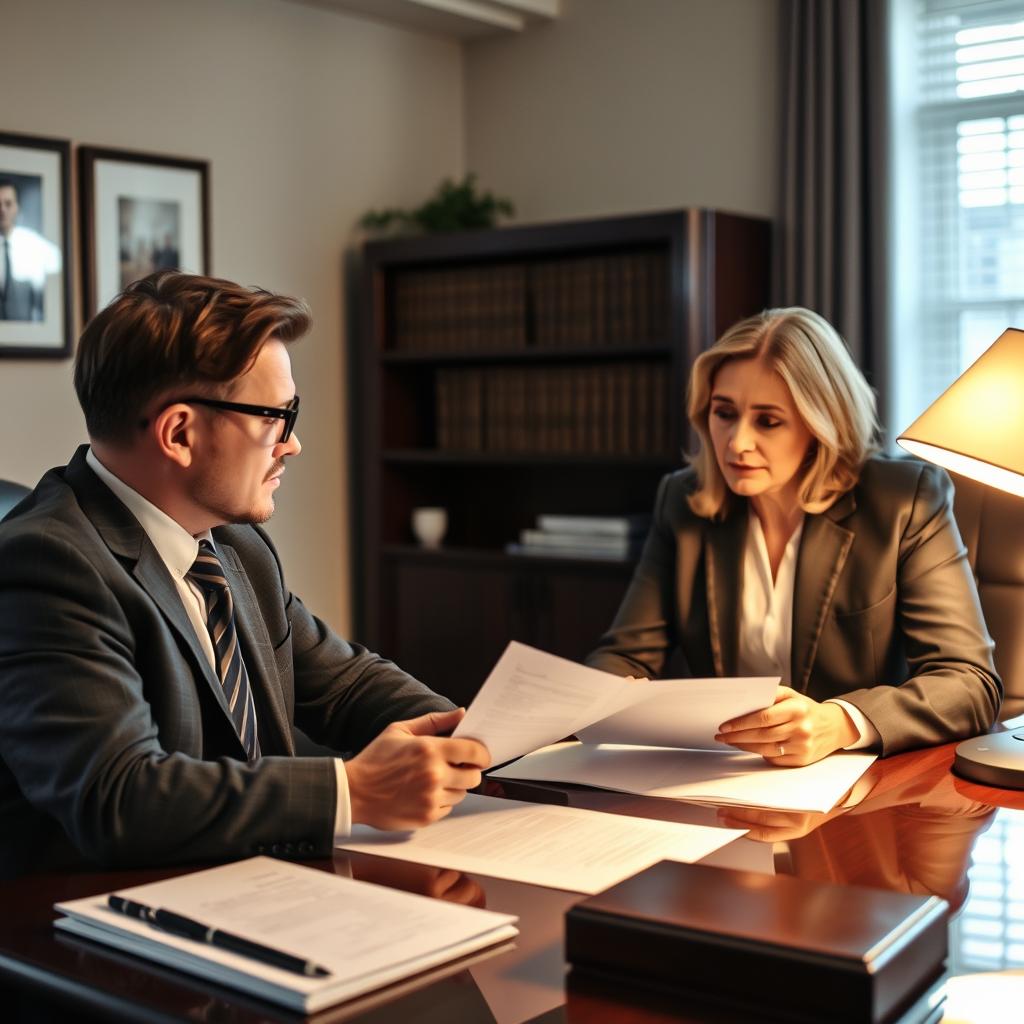
Adultery Divorce Lawyer Onondaga County, NY
You discover a hotel receipt tucked inside a jacket, a series of late‑night messages on a shared device, or a confession you never expected to hear. The marriage you worked to build suddenly feels hollow, and you are weighing whether to end it on the ground of adultery. In New York, adultery remains a legally recognized basis for a fault‑based divorce, and the decision to assert it can shape property division, spousal maintenance, and the entire tone of the proceeding. For residents of Onondaga County—Syracuse, Liverpool, Cicero, Baldwinsville, Camillus, Manlius, Fayetteville, and surrounding communities—divorce actions are heard in the Supreme Court of the State of New York, Onondaga County. At Law Offices Of SRIS, P.C., Mr. Sris and his Of Counsel team handle adultery divorce cases with the discretion and thorough preparation these personal matters require. We approach every file understanding that the facts are deeply private and the outcome can affect your financial future and family relationships for years to come. If you need to discuss your situation, call (888) 437-7747 to schedule a consultation.
Law Offices Of SRIS, P.C. – Advocacy Without Borders.
What Adultery Divorce Means in Onondaga County
Under New York Domestic Relations Law § 170(1), adultery is one of the enumerated fault grounds for divorce. Unlike a no‑fault divorce—which requires only a sworn statement that the marriage has been irretrievably broken down for at least six months—an adultery‑based action demands proof that the other spouse engaged in a voluntary sexual relationship with someone other than you during the marriage. The Onondaga County Supreme Court, located at 401 Montgomery Street in Syracuse, exercises original jurisdiction over all matrimonial actions. Adjoining family law matters such as custody, visitation, and support may also proceed in the Onondaga County Family Court.
In an adultery divorce, the court considers whether the alleged conduct can be established by competent evidence. New York does not require a criminal conviction; circumstantial proof—such as hotel records, electronic communications, or witness testimony—may be offered to demonstrate opportunity and inclination. Because of the sensitive nature of the evidence, both the discovery phase and any eventual trial demand careful preparation. The court’s equitable distribution of marital property under Domestic Relations Law § 236, along with its decisions on temporary and post‑divorce maintenance, can be influenced if adultery is proven. A finding of adultery may also have practical consequences for negotiating a settlement, as it can alter the bargaining positions of the parties. Throughout the process, the Onondaga County Supreme Court applies the same procedural rules, including automatic restraining orders that freeze certain assets and prohibit changes to insurance coverage upon filing, that govern all matrimonial matters in New York.
Communities We Serve in Onondaga County
Mr. Sris and his Of Counsel regularly represent individuals from Syracuse, DeWitt, Cicero, Clay, Manlius, Camillus, Solvay, Liverpool, Baldwinsville, North Syracuse, Fayetteville, Skaneateles, and all other towns and villages within the county. Whether your case proceeds in the Supreme Court building at 401 Montgomery Street or requires related appearances in Family Court, we understand the local practice environment and the expectations of the 5th Judicial District bench.
How Mr. Sris and His Of Counsel Handle Adultery Divorce Cases
When you first contact Law Offices Of SRIS, P.C., you will speak with a member of our team who listens to the facts you are comfortable sharing and explains how an adultery claim fits into New York divorce law. Early in the process, we identify the evidence that may support or weaken the allegations and discuss whether pursuing a fault‑ground divorce is consistent with your broader goals—whether that means a negotiated settlement or, if necessary, litigation in the Onondaga County Supreme Court. Because adultery can be difficult to prove, we help you evaluate what is likely to be admissible and what the court will expect.
Once the decision to proceed is made, our firm prepares and files the necessary pleadings. Discovery—including interrogatories, document demands, and depositions—is tailored to the specific facts. We work with private investigators and forensic experts only when it is appropriate and cost‑effective for your case. Throughout the matter, Mr. Sris and his Of Counsel keep you informed about procedural steps and realistic possibilities. We have experience with the local court calendar, the settlement conference expectations of the 5th Judicial District, and the way judges in Onondaga County approach equitable distribution and maintenance issues when fault grounds are alleged. Whether the case resolves through negotiation or proceeds to a trial, our team remains focused on a resolution that protects your interests.
About Mr. Sris and His Of Counsel Team
Mr. Sris, Owner and Founder of Law Offices Of SRIS, P.C., has practiced family law since 1997 and is admitted in Virginia, Maryland, the District of Columbia, New Jersey, and New York. He is a former prosecutor who understands how to evaluate evidence and present a case in court. Mr. Sris testified before the Virginia House Courts of Justice Committee in support of 2019 HB 635 (chief patron Del. David Bulova). His experience across multiple jurisdictions gives him a broad perspective on divorce cases involving complex property division and sensitive fault allegations.
Working alongside Mr. Sris, the firm’s Of Counsel team brings over 120 years of combined legal experience paired with 4,739+ documented firm-wide results. Results may vary. Together, they handle adultery divorce matters with careful attention to both the legal and personal dimensions of each client’s situation. We are available by phone at (888) 437-7747, and consultations are by appointment at our New York location at 50 Fountain Plaza, Suite 1400, Office No. 142, Buffalo, NY 14202.
Frequently Asked Questions
What is adultery divorce in New York?
Adultery divorce is a fault‑based ground for ending a marriage under New York Domestic Relations Law § 170(1), requiring proof that a spouse voluntarily engaged in a sexual relationship with another person during the marriage. While New York also allows no‑fault divorce based on an irretrievable breakdown for six months, asserting adultery can influence the court’s decisions on equitable distribution of property and spousal maintenance. The claim is filed in the Supreme Court of the county where either spouse resides, such as the Onondaga County Supreme Court. Because adultery involves personal conduct, the evidentiary requirement is high, and the process can be more contentious than a no‑fault action. For guidance on your specific situation, reach Law Offices Of SRIS, P.C. at (888) 437-7747.
How does proving adultery affect property division and alimony in New York?
When adultery is proven, the court may consider it as a factor in equitable distribution and spousal maintenance, but it does not automatically entitle the innocent spouse to a larger share of the assets. Under Domestic Relations Law § 236, the court weighs many factors, including the duration of the marriage, each spouse’s income and property, and any wasteful dissipation of assets. If marital funds were spent on the affair, that could reduce the cheating spouse’s share. Alimony—called maintenance in New York—is calculated using statutory formulas, but a judge can deviate based on the circumstances, and adultery can be one such circumstance. To discuss the details of your matter, contact Law Offices Of SRIS, P.C. at (888) 437-7747.
What kind of evidence do I need to prove adultery in Onondaga County?
New York courts accept both direct evidence (witness testimony, admissions) and circumstantial proof that shows the spouse had both the disposition and the opportunity to commit adultery. Examples include hotel receipts, unexplained expenses, electronic messages, photographs, or a private investigator’s report. The evidence must be credible and convincing, but it need not rise to the criminal standard. Because Onondaga County Supreme Court judges closely scrutinize fault‑based claims, working with an experienced lawyer helps ensure that evidence is gathered legally and presented effectively. For a consultation, reach Mr. Sris and his Of Counsel at (888) 437-7747.
Can I still get a divorce if my spouse denies adultery?
Yes; you may still obtain a divorce even if your spouse denies the allegations, but you must present sufficient proof at trial for the court to find adultery. If the evidence is unconvincing or a judge believes the marriage has already irretrievably broken down, you may be permitted to amend your complaint to seek a no‑fault divorce. Many adultery‑based cases resolve before trial through settlement, but having a strong evidentiary case often gives you more negotiating leverage. Mr. Sris and his Of Counsel help clients evaluate whether the evidence is strong enough to proceed on the fault ground or whether a different legal approach better serves their goals.
How does the Onondaga County Supreme Court handle adultery divorce cases?
The Onondaga County Supreme Court follows the same procedural rules as other New York matrimonial courts, but local practices—such as the timing of settlement conferences and the judges’ expectations on discovery—can shape how an adultery case unfolds. The court is located at 401 Montgomery Street, Syracuse, NY 13202, and is part of the 5th Judicial District. All divorce actions, including those based on adultery, begin with the filing of a summons and complaint or summons with notice. The court then sets a schedule for mandatory disclosure, and a preliminary conference is held to address any immediate issues. Mr. Sris and his Of Counsel are familiar with the local calendar and work to move your case forward efficiently. To discuss the details of your matter, call (888) 437-7747.
What should I bring to a consultation about an adultery divorce?
Bring any documents or information that may be relevant to your marriage, finances, and the alleged adultery, such as tax returns, bank statements, deeds, and any evidence you have gathered. You are not required to bring proof of adultery to the first meeting, but any information you have helps our team assess the strength of your claim. We will also ask about the length of the marriage, children, and your financial goals. The consultation is an opportunity for you to learn how New York law applies to your situation and what steps come next. To schedule a private appointment, reach Law Offices Of SRIS, P.C. at (888) 437-7747.
Will my children’s custody be affected if I file for divorce on adultery grounds?
Adultery alone generally does not determine child custody in New York; courts decide custody based on the best interests of the child, considering factors such as each parent’s ability to provide a stable home and support the child’s relationship with the other parent. However, if the adulterous conduct directly harms the child—for example, by exposing the child to neglect or an unsafe environment—the court may consider it. In most cases, the focus stays on the child’s welfare rather than the parents’ private conduct. Mr. Sris and his Of Counsel help you separate the divorce ground from custody issues and work toward an arrangement that protects your parental rights and your child’s needs.
Our family law practice also serves clients in:
New York County (Manhattan) ·
Kings County (Brooklyn) ·
Queens County (Queens) ·
Richmond County (Staten Island) ·
Nassau County (Long Island)
Attorney advertising. Prior results do not guarantee a similar outcome.
Case results depend on a variety of factors unique to each case.
Results may vary.