
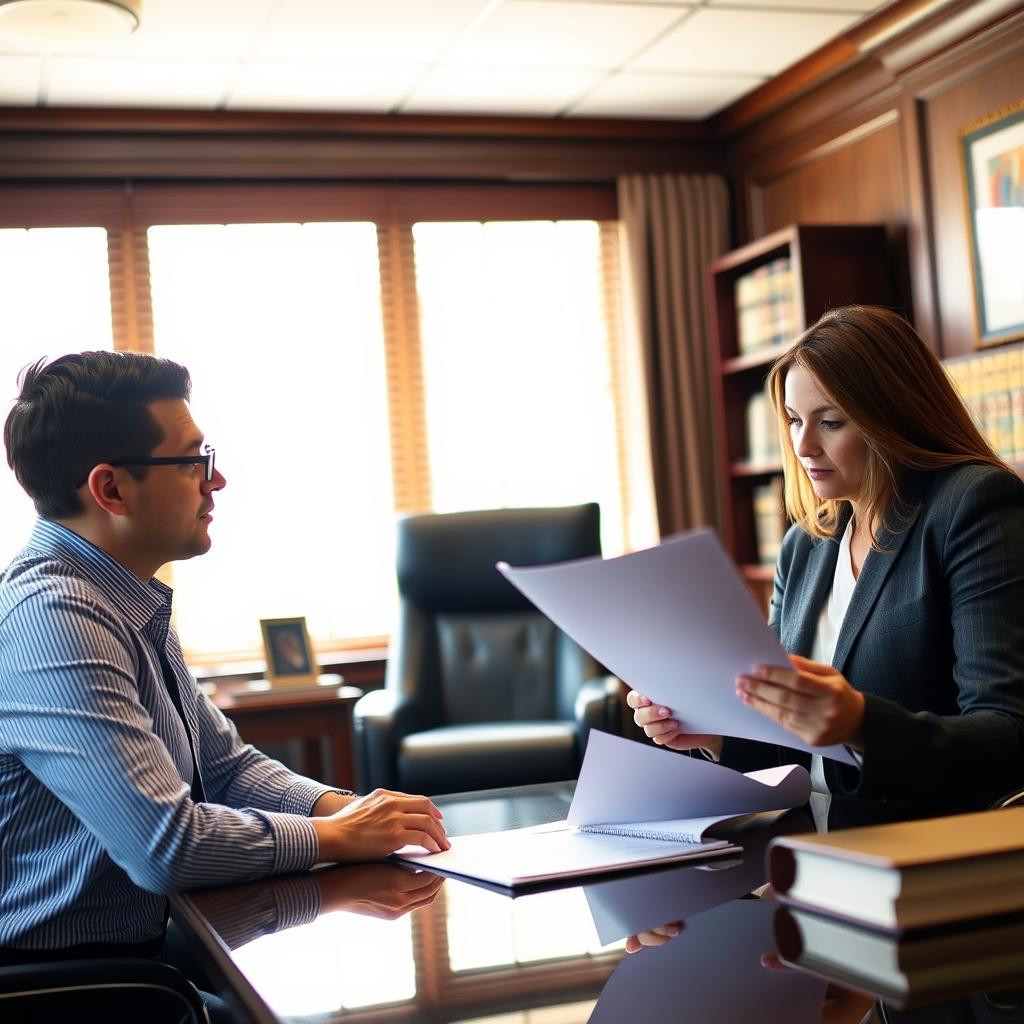
Adultery Divorce Lawyer Columbia County, NY
When a marriage ends because of a spouse’s infidelity, the divorce process can become both emotionally and legally complex. In New York, adultery is a fault ground for divorce under New York Domestic Relations Law (DRL) § 170, and it can have significant consequences for property distribution, spousal maintenance, and even custody decisions. In Columbia County, residents of Hudson, Chatham, Kinderhook, and surrounding communities turn to attorneys who understand how adultery claims shape litigation in the New York Supreme Court — Columbia County. Mr. Sris, Owner and Founder of Law Offices Of SRIS, P.C., and his Of Counsel team represent clients throughout the Hudson Valley in adultery divorce proceedings, working to protect their rights while navigating the particular requirements of the 3rd Judicial District. To schedule a consultation, reach our firm at (888) 437‑7747. Law Offices Of SRIS, P.C. – Advocacy Without Borders.
What Adultery Divorce Means in Columbia County, NY
In New York, a spouse may seek a divorce on the ground of adultery when the other spouse has engaged in an extramarital sexual relationship. DRL § 170(4) lists adultery as one of four fault‑based grounds, alongside cruel and inhuman treatment, abandonment, and imprisonment. Unlike the no‑fault ground of irretrievable breakdown, which requires only a six‑month statement that the marriage is over, an adultery claim demands proof. The spouse alleging adultery must present clear and convincing evidence — a higher burden than the typical civil preponderance standard — and courts in Columbia County will scrutinize the proof carefully.
Adultery can affect every aspect of a divorce. Under DRL § 236, New York follows equitable distribution, meaning marital property is divided fairly, not necessarily equally. A court may consider marital fault, including adultery, when deciding whether a spouse should receive a smaller share of the marital estate. Similarly, adultery can influence spousal maintenance awards; if the adulterous spouse’s conduct created economic harm, the court may factor that into the maintenance determination. In custody disputes, adultery is relevant only if it directly impacts the child’s well‑being, but an experienced family law practitioner will help you understand how these considerations apply to your situation.
All divorce actions in Columbia County are filed in the Columbia County Supreme Court, located at 401 Union Street, Hudson, NY 12534. The court operates Monday through Friday from 9:00 AM to 5:00 PM, and counsel handling family law matters should plan appearances accordingly. The judges of the 3rd Judicial District are familiar with the evidentiary demands of adultery cases, and local practice often emphasizes early settlement conferences to frame the issues before trial. Our New York location represents clients at Columbia County courts; contact (888) 437‑7747 for appointment and directions.
Columbia County Supreme Court Court hours: Mon‑Fri 9:00 AM‑5:00 PM. Counsel appearing on family law matters should plan filings accordingly.
How Mr. Sris and His Of Counsel Handle Adultery Divorce Cases
Mr. Sris and his Of Counsel approach adultery divorce matters with a thorough, evidence‑focused strategy. Because proving adultery requires establishing both opportunity and inclination, the team works with clients to identify available documentation — communications, financial records, travel logs — and, when necessary, consults with private investigators to develop admissible evidence. At the same time, they evaluate whether the facts support alternative grounds, such as no‑fault irretrievable breakdown, which can often resolve a case more quickly and with less acrimony.
Once the case is filed in the Columbia County Supreme Court, the firm’s attorneys prepare for the mandatory settlement conference and for the possibility of trial. They handle all aspects of discovery, including interrogatories, document production, and depositions, while protecting clients from improper discovery requests. Throughout the process, Mr. Sris and his Of Counsel maintain open communication, explaining each procedural step and helping clients weigh the costs and benefits of litigation versus settlement. The team’s multi‑state experience also allows them to address cross‑border issues, such as when a spouse holds property in other jurisdictions or files parallel proceedings elsewhere.
About Mr. Sris and His Of Counsel Team
Mr. Sris, Owner and Founder of Law Offices Of SRIS, P.C., has practiced family law since 1997. A former prosecutor, he brings a disciplined, evidentiary approach to every divorce matter. Mr. Sris is admitted to practice in Virginia, Maryland, the District of Columbia, New Jersey, and New York, giving him a broad understanding of how adultery claims are treated across different state‑court systems. He has testified before the Virginia House Courts of Justice Committee in support of 2019 HB 635 (chief patron Del. David Bulova). Mr. Sris’s Of Counsel team — experienced attorneys who concentrate in family law — work collaboratively to prepare each case, ensuring that clients benefit from multiple perspectives. Over 120 years of combined legal experience between Mr. Sris and his Of Counsel, backed by 4,739+ documented firm-wide results, supports the firm’s handling of divorce, custody, and support matters. Results may vary.
Frequently Asked Questions
Do I need to prove adultery to get a divorce in Columbia County?
No, you are not required to prove adultery to obtain a divorce in New York. New York allows a no‑fault divorce based on the irretrievable breakdown of the marriage for at least six months, and that ground is available in Columbia County just as it is across the state. Adultery is an optional fault‑based ground that a spouse may assert if they wish to raise the issue’s impact on property division or spousal support. For many couples, a no‑fault divorce is a faster, less contentious path. To discuss whether an adultery claim is appropriate in your case, contact Law Offices Of SRIS, P.C. at (888) 437‑7747.
How does adultery affect property division in a New York divorce?
Under New York’s equitable distribution law, marital fault including adultery may influence a court’s property distribution decision. DRL § 236 requires the court to consider several factors when dividing marital assets, and while New York is not a “fault‑based” division state, courts may weigh a spouse’s wasteful dissipation of marital assets — for example, spending significant sums on an extramarital affair. Adultery that caused economic harm can reduce the adulterous spouse’s share. However, the effect depends on the specific facts, and an experienced attorney can help you present the relevant evidence in Columbia County Supreme Court.
Can adultery impact custody decisions in Columbia County?
Adultery alone does not automatically determine custody in New York, but it can be relevant if it directly affects the child’s welfare. New York courts decide custody based on the best interests of the child, weighing factors such as parental fitness, the home environment, and the child’s relationship with each parent. If a parent’s affair exposed the child to instability, neglect, or unsuitable individuals, the court may consider that behavior. In Columbia County, Family Court and Supreme Court judges evaluate each family’s circumstances individually. For guidance on your specific situation, reach Law Offices Of SRIS, P.C. at (888) 437‑7747.
What evidence is needed to prove adultery in a New York divorce?
Proving adultery in New York requires clear and convincing evidence of both an extramarital relationship and that the spouse had the opportunity to commit the act. Unlike a criminal proceeding, a divorce court does not require direct eyewitness testimony; circumstantial evidence — hotel receipts, suspicious financial transactions, phone records, or photographs — can be sufficient when combined with evidence of opportunity. Private investigator reports and depositions are often used to build the case. Because the evidentiary burden is high, it is wise to consult a family law attorney before pursuing an adultery claim. For a consultation, contact Mr. Sris and his Of Counsel at (888) 437‑7747.
How long does an adultery divorce take in Columbia County?
The timeline for an adultery divorce in Columbia County varies depending on whether the couple settles or litigates the fault ground. If both parties agree to a no‑fault divorce while the adultery claim is dropped or resolved, the case can move forward as quickly as court scheduling permits. When the adultery allegation is contested and requires a trial, the process may extend considerably, as discovery and motion practice add time. The Columbia County Supreme Court’s calendar and the complexity of the marital estate also affect the pace. To discuss the likely timeline in your matter, reach Law Offices Of SRIS, P.C. at (888) 437‑7747.
Why choose Mr. Sris and his Of Counsel for an adultery divorce in the Hudson Valley?
Mr. Sris and his Of Counsel combine decades of family law experience with a former prosecutor’s investigative mindset, offering clients a strategic advantage in adultery divorce cases. The team thoroughly prepares each case, leveraging Mr. Sris’s multi‑state background to handle the procedural nuances of New York’s 3rd Judicial District. They work collaboratively to evaluate evidence, negotiate settlements, and, if necessary, present a compelling case at trial. With locations serving Virginia, Maryland, DC, New Jersey, and New York, the firm brings a broad perspective to every family law matter. Results may vary.
Related pages: New York County Family Law Lawyer | Kings County Family Law Lawyer | Queens County Family Law Lawyer | Nassau County Family Law Lawyer
Attorney advertising. Prior results do not guarantee a similar outcome.
Case results depend on a variety of factors unique to each case.
Results may vary.