
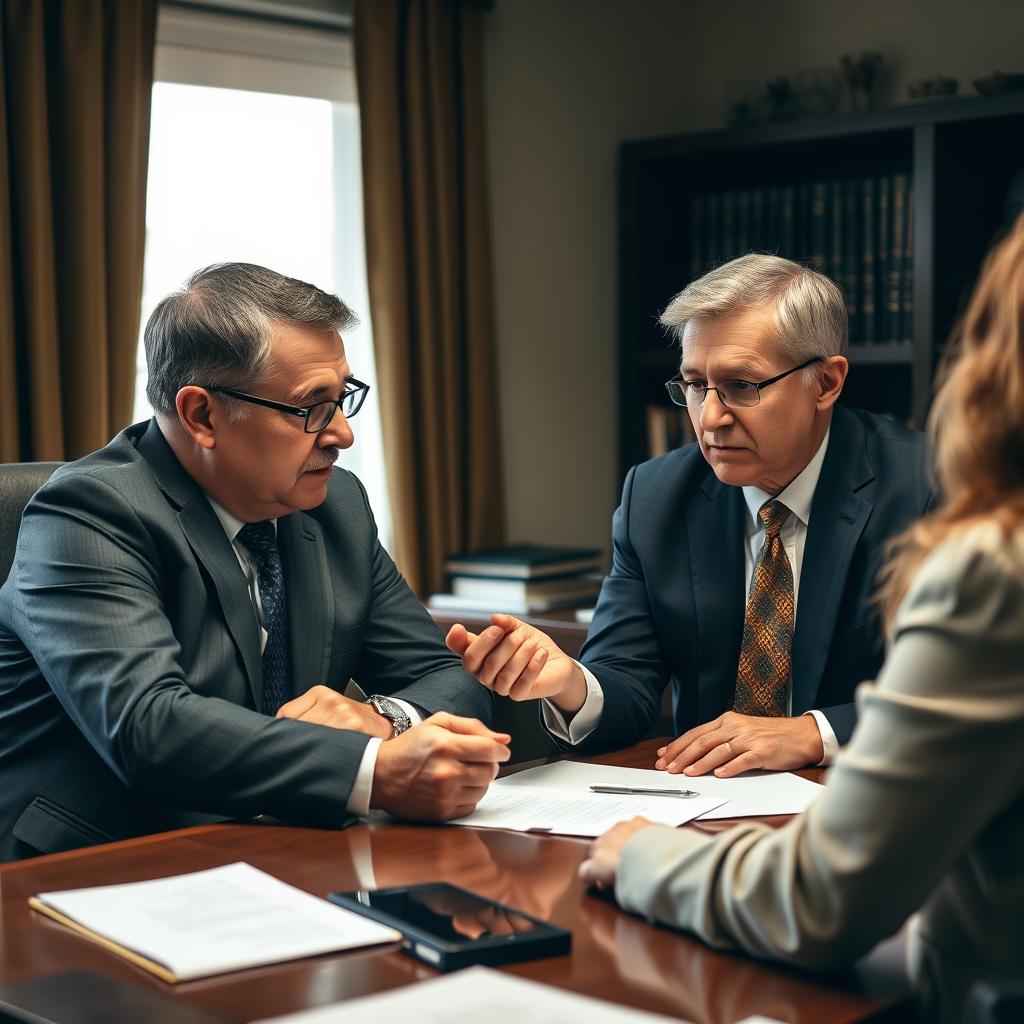
Adultery Divorce Lawyer Saratoga County, NY
When a marriage is damaged by infidelity, the legal path forward requires both clear-eyed strategy and an understanding of New York’s divorce laws. In Saratoga County, adultery remains one of the fault grounds for divorce under New York Domestic Relations Law § 170. Law Offices Of SRIS, P.C., founded in 1997, represents clients in the NY Supreme Court — Saratoga County and throughout the Capital District who are navigating the intersection of marital fault, equitable distribution, and spousal maintenance. Whether you are the spouse filing on adultery grounds or the spouse defending against those allegations, having an experienced family law attorney on your side can make a difference. Reach our New York location at (888) 437-7747 to request a consultation about your situation.
Law Offices Of SRIS, P.C. – Advocacy Without Borders.
What Adultery Divorce Means in Saratoga County, New York
Saratoga County is part of New York’s 4th Judicial District, and all matrimonial actions—including divorce, equitable distribution, and maintenance—are heard in the Saratoga County Supreme Court, located in Ballston Spa. The court jurisdiction covers the county’s major communities: Ballston Spa, Saratoga Springs, Clifton Park, Malta, Halfmoon, Mechanicville, Wilton, and Stillwater, among others. Adultery as a ground for divorce is specifically recognized in New York Domestic Relations Law § 170(4). While New York also permits a no‑fault divorce based on an irretrievable breakdown of the marriage for at least six months, a spouse may still choose to plead adultery as a fault ground. Doing so can affect the court’s view of the parties’ conduct when it weighs equitable distribution and maintenance, though adultery is not an automatic bar to receiving a share of marital property.
Filing an adultery divorce in Saratoga County follows the same procedural steps as other contested divorce actions: a complaint is filed, the defendant is served, and the case proceeds through discovery and, if necessary, trial. The court may schedule settlement conferences and pendente lite hearings to address temporary support and custody. Because adultery allegations often involve substantial factual disputes, the discovery process can be intensive. Mr. Sris and his Of Counsel team are experienced in handling fact‑intensive divorce litigation in upstate New York courts and work to build a thorough record whether the case settles or goes to trial.
How Adultery Affects Divorce Proceedings in New York
Under New York law, adultery is one of the fault‑based grounds for divorce enumerated in Domestic Relations Law § 170. To sustain a claim, the moving party must present evidence that the other spouse engaged in sexual relations with a person other than the complaining spouse during the marriage. The court considers adultery as one of many factors when deciding equitable distribution and spousal maintenance, but it is not used to punish the unfaithful spouse. Instead, New York courts examine the overall circumstances of the marriage, including the duration of the union, the income and property of each party, and the contributions each spouse made, to reach a fair outcome. Adultery can influence the court’s discretion—for example, a spouse’s dissipation of marital assets on an extramarital relationship may be taken into account—but it rarely dictates the result alone.
In practice, many adultery divorce cases in Saratoga County are resolved through negotiation or settlement rather than a full trial. Proving adultery can require significant evidence, and both sides often weigh the costs and emotional toll of litigation against the likely benefits. Mr. Sris and his Of Counsel help clients evaluate whether pursuing or defending an adultery claim is strategically sound given their financial and personal goals. The firm’s approach is to protect the client’s interests while minimizing unnecessary conflict when possible.
How Mr. Sris and His Of Counsel Handle Adultery Divorce Cases
Law Offices Of SRIS, P.C. Concentrates on providing experienced representation in family law matters across New York. In adultery divorce cases, Mr. Sris and his Of Counsel begin by thoroughly investigating the facts and reviewing the client’s objectives. They assess whether the adultery ground is supported by admissible evidence, whether it is likely to influence the equitable distribution or maintenance determination, and how the matter should be positioned for resolution. The team handles discovery, including document requests and depositions, with an eye toward building a clear record while protecting sensitive personal information. If a settlement can be reached that meets the client’s needs, the firm negotiates actively but professionally. When trial is unavoidable, Mr. Sris’s litigation background as a former prosecutor provides insight into developing a compelling presentation of the evidence before the court.
No two adultery divorces follow the same path. Some involve complex financial tracing if marital funds were used in connection with an affair; others raise custody concerns if the infidelity affected the home environment. Mr. Sris and his Of Counsel draw on over 120 years of combined legal experience to address each case’s unique challenges. Results may vary. For more information or to schedule a consultation, call (888) 437-7747.
About Mr. Sris and His Of Counsel Team
Mr. Sris, Owner and Founder of Law Offices Of SRIS, P.C., has practiced since 1997. He is admitted in Virginia, Maryland, the District of Columbia, New Jersey, and New York. As a former prosecutor, Mr. Sris brings a trial‑tested understanding of how to marshal evidence and present a persuasive case. He testified before the Virginia House Courts of Justice Committee in support of 2019 HB 635 (chief patron Del. David Bulova). Mr. Sris is supported by a team of Of Counsel attorneys who also bring extensive experience in family law and litigation. Together, they have handled a broad range of matrimonial matters across multiple states. Firm‑wide, Mr. Sris and his Of Counsel have documented over 4,739 case results across practice areas, with over 93% favorable outcomes. Results may vary.
Frequently Asked Questions
Is adultery a ground for divorce in New York?
Yes, adultery is one of the fault‑based grounds for divorce in New York under Domestic Relations Law § 170(4). A spouse may file for divorce on the grounds that the other spouse committed adultery during the marriage. To succeed, the moving party must provide evidence of the extramarital relationship. Because New York also permits a no‑fault divorce based on irretrievable breakdown for six months, many couples choose the no‑fault route to avoid the cost and emotional strain of proving fault, but adultery remains an available statutory ground.
Can adultery affect property division in a New York divorce?
Adultery can influence equitable distribution but does not automatically deprive a spouse of his or her share of marital property. New York courts consider all relevant factors, including marital fault, when dividing assets. If a spouse wasted marital funds on an extramarital affair, the court may account for that dissipation. However, the primary goal of equitable distribution is fairness, not punishment. A Saratoga County Supreme Court judge will examine the full financial picture before deciding how to distribute property.
Do I need to prove adultery to get a divorce in Saratoga County?
No, you do not need to prove adultery to obtain a divorce in Saratoga County. New York allows a no‑fault divorce when the marriage has been irretrievably broken for at least six months. You may still choose to plead adultery if there is a strategic reason—such as seeking to influence spousal maintenance or equitable distribution—but it is never required. An experienced family law attorney can help you evaluate whether pleading fault is worthwhile for your particular circumstances.
What is the process for filing an adultery divorce in Saratoga County?
The process begins with filing a complaint for divorce in the Saratoga County Supreme Court, identifying adultery as the ground. The complaint is served on the defendant, who has a set period to respond. Discovery follows, during which each side may request documents and take depositions. The court may schedule a preliminary conference and encourage settlement. If the case does not settle, it proceeds to trial, where the parties present evidence on the adultery allegation and all related issues such as property division, maintenance, custody, and support.
How does adultery affect spousal maintenance in New York?
Adultery can be a factor the court considers when determining the amount and duration of spousal maintenance, but it is not a determinant, as past results do not guarantee a similar outcome. New York’s maintenance guidelines use a statutory formula based on income and length of marriage for temporary maintenance, while post‑divorce maintenance is decided after weighing numerous factors, including marital fault. If the adultery had a financial impact—for example, if marital funds were spent on the affair—that could influence the court’s decision. In other cases, adultery may carry less weight.
Can a spouse’s adultery impact child custody decisions?
Adultery alone rarely determines child custody in New York; the court’s focus is the best interests of the child. A parent’s conduct is relevant only if it directly affects the child’s welfare—for instance, if the extramarital relationship exposed the child to harm or substantial instability. Routine adultery, while hurtful, typically does not change the custody analysis unless it is part of a broader pattern of poor parenting. Mr. Sris and his Of Counsel can explain how a judge is likely to weigh such evidence in Saratoga County Family Court or Supreme Court.
What if both spouses committed adultery during the marriage?
If both spouses committed adultery, each party may raise the other’s infidelity as a defense or counterclaim. In that situation, the court may find that both are at fault, which could neutralize the impact of adultery on equitable distribution or maintenance. The outcome depends heavily on the specific facts. In any event, having legal counsel is important to present the evidence properly and avoid procedural pitfalls that can weaken a claim.
Do I need a lawyer for an adultery divorce in Saratoga County?
You are not legally required to hire an attorney for an adultery divorce, but the potential financial and personal consequences make representation advisable. Proving or defending against an adultery claim involves complex rules of evidence, discovery obligations, and strategic decisions that can affect property division, maintenance, and parenting arrangements. An experienced family law lawyer can help you assess the viability of your claims, manage the procedural demands of the Saratoga County Supreme Court, and work toward a resolution that protects your interests. To discuss your specific situation, reach Law Offices Of SRIS, P.C. at (888) 437-7747.
How does a New York court treat adultery when one spouse is a public official or public figure?
The court applies the same statutory framework regardless of a spouse’s public profile. Adultery claims are evaluated based on the evidence, not on the parties’ status. However, in such cases, privacy concerns may be heightened, and sensitive information could become part of the public record unless protective measures are sought. Mr. Sris and his Of Counsel have experience handling divorces that involve significant privacy considerations and work to minimize unnecessary public exposure whenever possible.
Will an adultery divorce take longer than a no‑fault divorce in Saratoga County?
An adultery divorce may take longer than a no‑fault divorce because fault must be proven or defended, which typically adds to the amount of discovery and motion practice. While some uncontested no‑fault divorces can be resolved in a matter of months, cases where adultery is disputed often require more pre‑trial preparation, including depositions, document exchanges, and possibly a trial. The timeline ultimately depends on the court’s calendar and the complexity of the issues. Mr. Sris and his Of Counsel work to move cases forward efficiently while building a thorough record.
Additional family law resources in New York:
Manhattan Family Law lawyers |
Brooklyn Family Law lawyers |
Queens Family Law lawyers |
Staten Island Family Law lawyers |
Nassau County Family Law lawyers
Primary source references:
New York Domestic Relations Law § 170 |
Saratoga County Supreme Court |
New York State Unified Court System
Attorney advertising. Prior results do not guarantee a similar outcome. Case results depend on a variety of factors unique to each case. Results may vary. Engaging Law Offices Of SRIS, P.C. Requires a signed engagement agreement. The firm’s New York location is at 50 Fountain Plaza, Suite 1400, Office No. 142, Buffalo, NY 14202. Reach us at (888) 437-7747 by appointment only.