
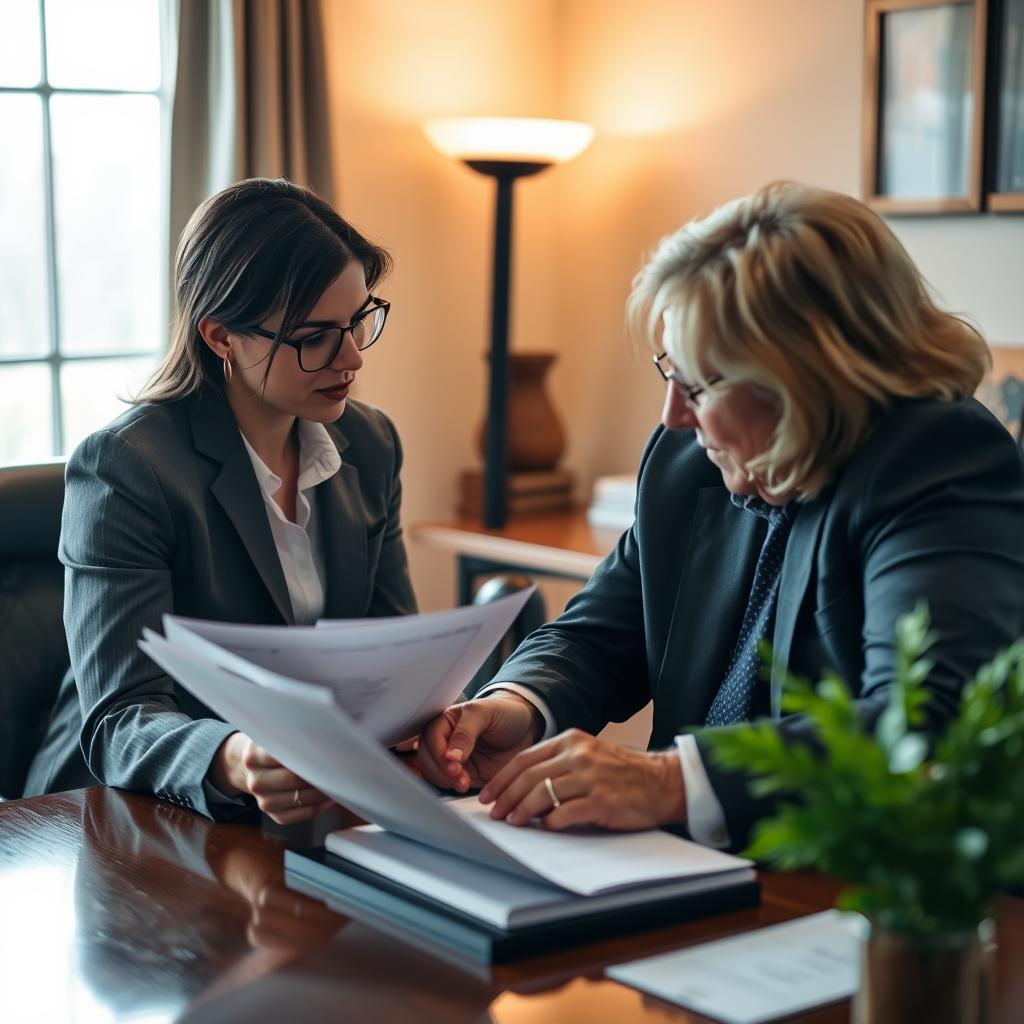
Adultery Divorce Lawyer Putnam County, NY
Adultery remains one of the fault‑based grounds for divorce in New York. Under New York Domestic Relations Law § 170, a spouse may seek a divorce when the other spouse has committed adultery. In Putnam County, divorce actions are heard in the Putnam County Supreme Court, located at 20 County Center in Carmel. The court’s jurisdiction covers all divorce and equitable distribution matters, while the Putnam County Family Court addresses related issues such as custody, support, and orders of protection. Mr. Sris and his Of Counsel represent clients throughout Putnam County, including Carmel, Brewster, Cold Spring, Mahopac, and the surrounding Hudson Valley communities. Whether you are considering filing on adultery grounds or are the spouse against whom such an allegation has been made, understanding the procedural and practical implications is essential. The firm concentrates its practice in family law and brings extensive experience to both contested and uncontested divorce proceedings. For a consultation about an adultery‑based divorce in Putnam County, reach Law Offices Of SRIS, P.C. at (888) 437‑7747. Law Offices Of SRIS, P.C. – Advocacy Without Borders.
What Adultery Divorce Means in Putnam County, New York
New York is a hybrid divorce state that recognizes both no‑fault and fault‑based grounds. The no‑fault ground requires an irretrievable breakdown of the marriage for at least six months. Adultery, however, is one of the few statutory fault grounds under DRL § 170. A spouse who proves adultery may obtain a divorce without waiting for a separation period, though the practical effect on the overall case depends on the specific facts. In Putnam County, the Supreme Court handles all divorce and equitable distribution matters, while Family Court resolves ancillary issues. The procedural framework is the same across New York, but local court practices and scheduling can influence how quickly a case moves forward. Putnam County’s judicial district is the 9th Judicial District, which also includes Westchester, Rockland, Orange, and Dutchess Counties.
Adultery must be proven by the plaintiff with clear and convincing evidence, a higher standard than the general preponderance used in most civil matters. The testimony of the spouse alone is insufficient; corroboration from a third party or other evidence is required. The court may consider the circumstances and the credibility of witnesses. Because the standard is demanding, many divorce cases in Putnam County proceed on the no‑fault ground even when adultery is alleged, unless the adultery directly affects financial issues or child custody. The court retains discretion over equitable distribution and may consider marital fault, including adultery, if it has impacted the marital economy. Mr. Sris and his Of Counsel evaluate each situation to determine the most practical path forward, whether that means asserting adultery as a ground, negotiating a settlement, or pursuing other available fault or no‑fault grounds.
How Mr. Sris and His Of Counsel Handle Adultery Divorce Cases
Mr. Sris and his Of Counsel approach adultery‑based divorce matters with a thorough investigation of the facts and a focus on the client’s long‑term interests. The team evaluates the evidence available, assesses the likelihood of meeting the corroboration requirement, and develops a strategy that balances the emotional weight of an adultery claim against the legal and financial realities. In many situations, adultery serves as leverage during settlement discussions, even if the case ultimately proceeds on a no‑fault ground. The firm’s experience in Putnam County courts allows it to anticipate how local judges and referees typically handle such issues.
The procedural steps mirror those of any New York divorce: filing of a summons and complaint or summons with notice, service of process, potential motion practice for temporary relief, discovery, and, if not settled, trial. Adultery allegations can complicate discovery because they may require depositions and subpoenas for electronic records or third‑party witnesses. The firm’s Of Counsel team works collaboratively with Mr. Sris to manage these complexities while keeping the client informed. Throughout the process, the emphasis is on achieving a resolution that protects the client’s rights regarding property, support, and, where relevant, custody and parenting time.
About Mr. Sris and His Of Counsel Team
Mr. Sris, Owner and Founder of Law Offices Of SRIS, P.C., has practiced family law since the firm was founded in 1997. A former prosecutor, Mr. Sris brings a background in trial advocacy to every divorce and family law matter. He is admitted to practice in Virginia, Maryland, the District of Columbia, New Jersey, and New York, and he personally leads the firm’s family law practice. Mr. Sris and his Of Counsel have documented 4,739+ case results across all practice areas since 1997. Results may vary. The Of Counsel team supports Mr. Sris in handling adultery and other fault‑based divorce cases, contributing deep litigation and negotiation experience. The firm’s collective approach ensures that clients receive informed guidance grounded in years of practice in New York divorce courts.
Frequently Asked Questions
What is adultery divorce in New York?
Adultery divorce is a fault‑based divorce ground in New York under Domestic Relations Law § 170 that allows a spouse to seek dissolution of the marriage without a waiting period when the other spouse has committed adultery. The plaintiff must prove the adultery by clear and convincing evidence, with corroboration beyond the plaintiff’s own testimony. Even when adultery is established, the court may still consider equitable distribution, maintenance, and child custody under the usual statutory factors. Many New York divorces proceed on the no‑fault ground of irretrievable breakdown to avoid the heightened proof requirement, unless the adultery materially affects financial issues or parenting. A Putnam County family law attorney can explain the strategic implications of raising adultery as a ground.
How does adultery affect divorce in Putnam County?
Adultery can affect a divorce in Putnam County by providing an immediate ground for divorce, potentially influencing equitable distribution if marital assets were dissipated on the affair, and sometimes affecting custody if the adulterous conduct endangered the child’s welfare. New York courts treat adultery as a fault ground but do not automatically punish the adulterous spouse financially. The court may consider marital fault, including adultery, as one factor in the overall equitable distribution analysis. In practice, many Putnam County divorce cases that initially allege adultery settle before trial, with the adultery allegation serving as a bargaining point. An experienced attorney can assess the likely impact on your specific situation.
What must I prove to get a divorce on adultery grounds in New York?
To obtain a divorce on adultery grounds in New York, you must prove by clear and convincing evidence that your spouse engaged in a voluntary sexual act with a person other than you, and you must present corroborating evidence beyond your own testimony. Corroboration can come from a witness, documentary evidence, or circumstantial proof that makes the adultery highly probable. New York courts do not require photographic or video evidence, but mere suspicion is insufficient. The burden is on the filing spouse. Because the evidentiary hurdles are high, many spouses choose to file under the no‑fault ground while still using evidence of adultery to negotiate a favorable financial settlement. A Putnam County divorce lawyer can explain the proof requirements and develop a strategy for your case.
Does adultery affect equitable distribution of property in New York?
Adultery alone does not automatically result in a greater share of marital property to the innocent spouse, but if the adulterous conduct dissipated marital assets—such as spending substantial sums on the affair—the court may award a credit or unequal distribution to compensate the other spouse. New York follows equitable distribution, which requires a fair, not necessarily equal, division of marital property. The court may consider marital fault as one of the many statutory factors. In Putnam County, judges typically focus on the financial impact of the adultery rather than the moral dimension. An attorney can help identify whether marital assets were wasted and seek an adjustment in the property division or maintenance calculation.
Can I file for divorce based on adultery in Putnam County?
Yes, you can file a divorce complaint in the Putnam County Supreme Court alleging adultery as the ground, provided that you or your spouse meets New York’s residency requirement. The divorce action must be commenced in the Supreme Court of the county where either party resides. You must be prepared to plead and eventually prove the adultery under the heightened evidentiary standard. Many clients first consult with an attorney to evaluate whether the expense and emotional toll of proving adultery are justified by the likely outcome. Mr. Sris and his Of Counsel can review the specific facts and help you decide whether to pursue a fault‑based action or proceed under the no‑fault ground while reserving the right to raise adultery in other contexts.
Do I need a lawyer for an adultery divorce in Putnam County?
While New York does not require an attorney to file for divorce, the legal and evidentiary demands of an adultery‑based case make experienced legal representation strongly advisable. The need to collect corroborating evidence, meet discovery obligations, and navigate settlement negotiations or trial is substantial. Additionally, outcomes in a divorce—property division, spousal maintenance, child custody, and support—have long‑term consequences. A Putnam County family law lawyer can protect your interests and help you avoid procedural missteps. For a consultation, contact Law Offices Of SRIS, P.C. at (888) 437‑7747.
Family Law Lawyer New York County (Manhattan) NY · Family Law Lawyer Kings County (Brooklyn) NY · Family Law Lawyer Queens County (Queens) NY · Family Law Lawyer Richmond County (Staten Island) NY · Family Law Lawyer Nassau County (Long Island) NY
Attorney advertising. Prior results do not guarantee a similar outcome. Case results depend on a variety of factors unique to each case. Results may vary.