
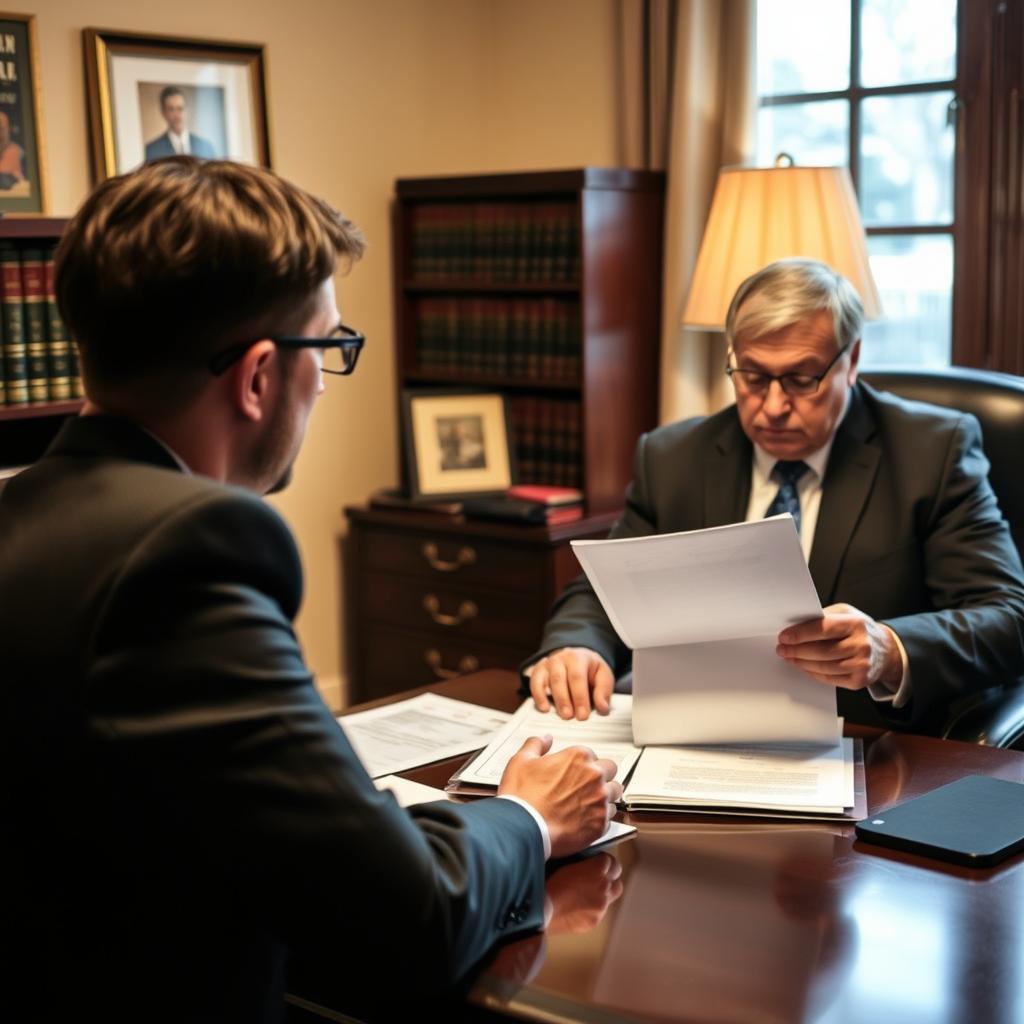
Fault Based Divorce Lawyer Tioga County, NY
When a marriage breaks down because of serious misconduct, the legal path forward involves more than just ending the union. In Tioga County, New York, a fault‑based divorce allows you to file on grounds such as cruel and inhuman treatment, abandonment, adultery, or imprisonment under New York Domestic Relations Law § 170. These fault allegations can influence spousal maintenance, equitable distribution, and even child custody determinations. Mr. Sris and his Of Counsel concentrate their practice on family law matters, including contested fault‑based divorces, and they appear regularly in Tioga County Supreme Court. Because fault‑ground cases often involve heightened conflict and complex evidence, having an experienced attorney who understands both the legal standards and the local court practices is critical. Reach Law Offices Of SRIS, P.C. at (888) 437‑7747 to request a consultation about your situation.
What Fault Based Divorce Means in Tioga County, NY
Fault‑based divorce in New York is not merely about ending a marriage; it is about proving that one spouse’s misconduct caused the breakdown. Under DRL § 170, the recognized fault grounds are: (1) cruel and inhuman treatment that endangers the physical or mental well‑being of the other spouse; (2) abandonment for one or more years; (3) adultery; and (4) confinement of the defendant in prison for three or more consecutive years after the marriage. When you proceed on a fault ground, the court will examine evidence of the alleged misconduct, and if proven, the finding may affect the court’s decisions on spousal maintenance and the equitable division of marital property. Unlike no‑fault divorce, which requires only a sworn statement that the marriage is irretrievably broken for at least six months, a fault‑based action places the conduct of the parties squarely before the judge.
In Tioga County, all divorce and equitable distribution matters are heard in the Tioga County Supreme Court, located at 20 Court Street in Owego. The county lies in the 6th Judicial District, covering the Southern Tier region, and the court follows the same New York procedural rules that govern fault‑based cases statewide. However, familiarity with local court customs—such as the scheduling practices of the Supreme Court and the way certain judges handle pre‑trial settlement conferences—can influence how a fault‑based case unfolds. Mr. Sris and his Of Counsel have handled family law matters in Tioga County and across New York, giving them insight into how local courts manage contested divorce litigation.
How Mr. Sris and His Of Counsel Handle Fault Based Divorce Cases
Fault‑based divorce demands a careful, evidence‑driven approach. The process typically begins with filing a complaint in the Supreme Court that states the specific fault ground, accompanied by an index number purchase and a request for judicial intervention. After the defendant is served, the case moves to a mandatory preliminary conference and, eventually, a settlement conference. If the parties cannot reach an agreement, the case proceeds to trial, where Mr. Sris and his Of Counsel present testimony, documentary evidence, and experienced attorney input to support the fault allegations and to advocate for a fair financial outcome.
Because fault findings can affect maintenance and property division, the team works closely with clients to gather relevant records, prepare for depositions, and develop a trial strategy that aligns with the client’s objectives. Mr. Sris’s background as a former prosecutor gives him a distinct perspective on cross‑examination and evidence presentation—skills that are particularly valuable when the other side disputes the alleged fault. Throughout the case, the firm emphasizes clear communication, keeping clients informed of each step while working to resolve as many issues as possible without litigation.
About Mr. Sris and His Of Counsel Team
Mr. Sris, Owner and Founder of Law Offices Of SRIS, P.C., has been practicing law since 1997. Admitted in Virginia, Maryland, the District of Columbia, New Jersey, and New York, he brings a multi‑state perspective to family law matters. Mr. Sris and his Of Counsel bring over 120 years of combined legal experience, collectively handling a wide range of contested and uncontested divorce cases. Results may vary. Mr. Sris and his Of Counsel have documented 4,739+ case results across all practice areas since 1997.
Frequently Asked Questions
What is a fault‑based divorce in New York?
A fault‑based divorce seeks to dissolve a marriage on grounds of serious misconduct by one spouse, such as cruelty, abandonment, adultery, or imprisonment. New York Domestic Relations Law § 170 lists the specific fault grounds. Unlike no‑fault divorce, which only requires proof that the marriage is broken for at least six months, a fault‑based action requires the petitioner to present evidence of the spouse’s wrongdoing. If the court finds fault, it may consider the misconduct when deciding spousal maintenance and property division.
How does a fault‑based divorce affect alimony and property division in Tioga County?
Under New York law, fault is not automatically a factor in equitable distribution, but courts may consider it if the conduct is so egregious that it shocks the conscience or if it directly affected the parties’ finances. In Tioga County, the Supreme Court evaluates maintenance and property division using statutory formulas and factors. Evidence of cruel treatment or adultery could influence the judge’s view of the marital relationship and, in rare cases, lead to a different distribution. Mr. Sris and his Of Counsel can explain how the specific facts of your case may be viewed by the court.
Do I need a lawyer for a fault‑based divorce in Tioga County?
While you are not legally required to have a lawyer, a contested fault‑based divorce involves complex evidentiary and procedural rules that make self‑representation extremely challenging. Proving fault requires credible testimony, documentary evidence, and often expert witnesses. A misstep can weaken your case or result in an unfavorable settlement. Meeting with an experienced family law attorney like Mr. Sris allows you to evaluate your options and build a strong case before you file.
How long does a fault‑based divorce take in Tioga County?
The timeline for a fault‑based divorce varies widely depending on whether the case settles or goes to trial. An uncontested divorce on fault grounds may conclude more quickly, but contested fault divorces often involve discovery, motions, and a trial—which can extend the matter over a year depending on the court’s calendar and the complexity of the issues. The firm works to keep the process moving efficiently while protecting your rights.
What are the filing fees for a fault divorce in Tioga County Supreme Court?
Filing a fault‑based divorce in Tioga County requires payment of a $335 index number fee and a $95 Request for Judicial Intervention (RJI) fee. Additional costs may apply for service of process, motion practice, and court‑ordered evaluations. Mr. Sris and his Of Counsel can provide a clear estimate of the expected fees during your initial consultation.
Can fault‑based divorce grounds be contested in Tioga County?
Yes, the spouse accused of fault often disputes the allegations, which can lead to a contested trial. The defendant may deny the conduct, present contrary evidence, or assert defenses such as condonation or provocation. Mr. Sris’s experience as a former prosecutor helps him cross‑examine witnesses and challenge evidence effectively when representing either the party alleging fault or the party defending against it.
Family Law Representation in Other New York Localities
Law Offices Of SRIS, P.C. handles fault‑based divorce and other family law matters across New York. For assistance in neighboring areas, visit:
- Family Law Lawyer in New York County (Manhattan), NY
- Family Law Lawyer in Kings County (Brooklyn), NY
- Family Law Lawyer in Nassau County (Long Island), NY
Primary Legal Resources
Refer to official sources for detailed information about New York divorce law:
- Tioga County Supreme Court – Court hours, directions, and local rules.
- New York State Senate Legislation – Full text of the Domestic Relations Law.
Attorney advertising. Prior results do not guarantee a similar outcome.
Case results depend on a variety of factors unique to each case.
Results may vary.