
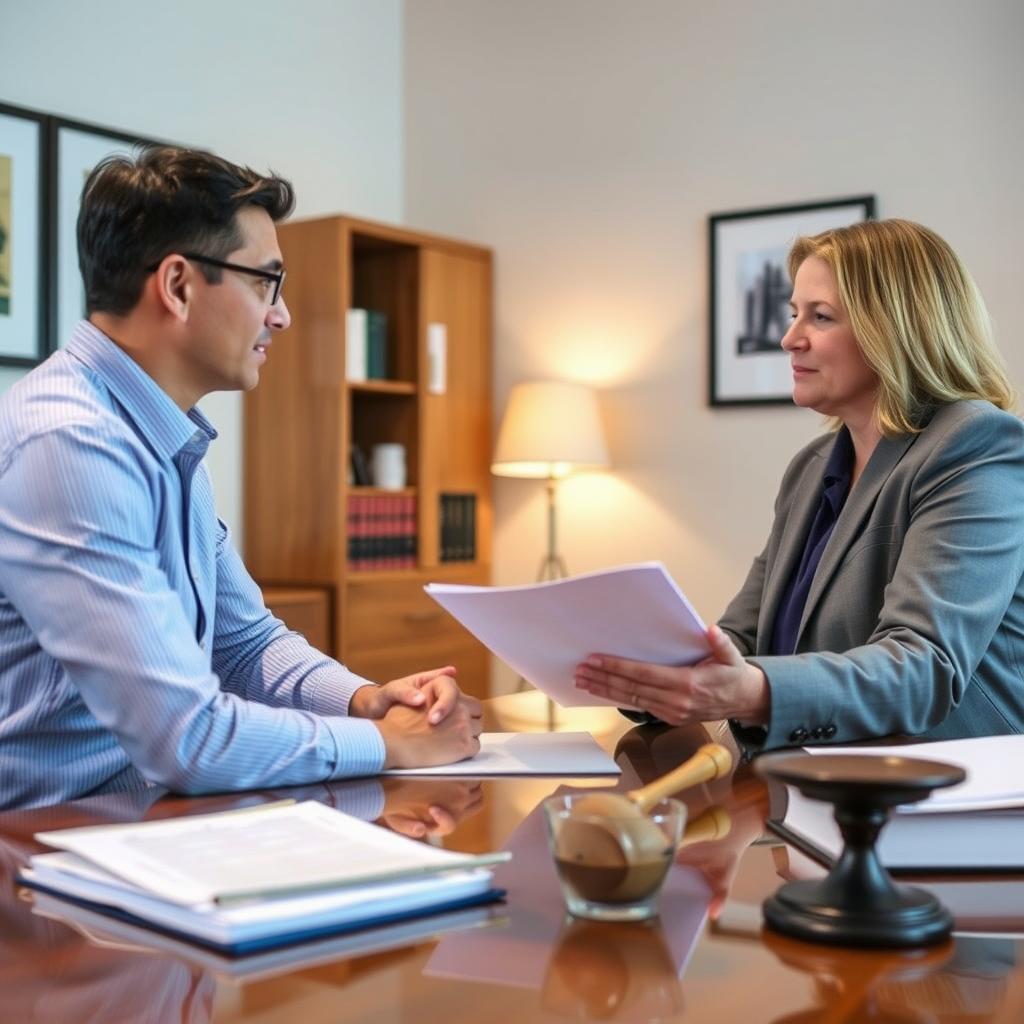
Fault Based Divorce Lawyer Orange County, VA
If you are looking for a fault based divorce lawyer in Orange County, New York, Law Offices Of SRIS, P.C. provides experienced family law representation to clients throughout the Hudson Valley. While the search term references Orange County, Virginia, our firm focuses on serving individuals in Orange County, New York—including Goshen, Newburgh, Middletown, Monroe, and surrounding communities. Mr. Sris, Owner and Founder of the firm, practices in New York and handles divorce matters that involve fault grounds under the New York Domestic Relations Law. Fault based divorce allows a spouse to seek dissolution of the marriage on grounds such as adultery, cruel and inhuman treatment, abandonment, or imprisonment. These cases often require careful evidence gathering and a thorough understanding of local court procedures in the Orange County Supreme Court. To discuss your situation and learn how our team can assist, contact Law Offices Of SRIS, P.C. at (888) 437-7747. Law Offices Of SRIS, P.C. – Advocacy Without Borders.
What Fault Based Divorce Means in Orange County, New York
In New York, a fault based divorce is one where the party filing for divorce asserts one of the statutory fault grounds listed in New York Domestic Relations Law § 170. The recognized fault grounds include: adultery; cruel and inhuman treatment that endangers the physical or mental well‑being of the spouse making it unsafe or improper to cohabit; abandonment by the other spouse for a period of one or more years; and the conviction and imprisonment of the other spouse for a term of three or more consecutive years after the marriage. Unlike a no‑fault divorce, which requires only an irretrievable breakdown of the relationship for at least six months, a fault based divorce requires the filing spouse to present proof of the alleged misconduct.
The Orange County Supreme Court, located at 285 Main Street in Goshen, is the trial‑level court that hears all matrimonial actions, including fault based divorce, equitable distribution, and spousal maintenance. Family Court in Orange County separately addresses custody, visitation, child support, and family offense petitions. When a divorce action is commenced in the Supreme Court, automatic restraining orders under DRL § 236 take effect, freezing marital assets and prohibiting changes to insurance coverage. The equitable distribution of marital property is governed by the statutory factors in DRL § 236, and spousal maintenance may be awarded based on codified formulas for temporary and post‑divorce support. Because fault can affect the court’s consideration of equitable distribution and maintenance, a spouse alleging fault should be prepared to present credible evidence that meets the statutory standard.
How Mr. Sris and His Of Counsel Handle Fault Based Divorce Cases
Mr. Sris and his Of Counsel approach fault based divorce matters with a focus on thorough preparation and strategic advocacy. The process begins with a detailed review of the marriage history, financial records, and the facts underlying the asserted fault ground. If the ground is adultery, for example, the proof must go beyond mere suspicion and establish a clear opportunity and inclination to commit the act. For cruel and inhuman treatment, the evidence must show a pattern of conduct that makes continued cohabitation unsafe or improper. Every case is different, and the team works to identify the strongest legal arguments and the most persuasive evidence.
In the Orange County Supreme Court, Mr. Sris and his Of Counsel are familiar with local procedural expectations and the court’s calendaring practices. They handle pleadings, discovery, motion practice, and settlement negotiations, always keeping the client informed of developments. If a trial is necessary, the team presents the case with prepared testimony, documentary evidence, and skilled examination of witnesses. Throughout the representation, the goal is to protect the client’s rights regarding property division, spousal maintenance, and any related custody or support issues while working toward a resolution that addresses the client’s objectives.
About Mr. Sris and His Of Counsel Team
Mr. Sris, Owner and Founder of Law Offices Of SRIS, P.C., has practiced law since 1997 and is admitted in Virginia, Maryland, the District of Columbia, New Jersey, and New York. As a former prosecutor, he brings extensive courtroom experience to family law matters, including contested fault based divorces. His involvement in legislative efforts includes testifying before the Virginia House Courts of Justice Committee in support of 2019 HB 635 (chief patron Del. David Bulova). Mr. Sris leads a team of Of Counsel attorneys who collectively bring over 120 years of combined legal experience. Results may vary. Together, they have documented more than 4,739 case results across all practice areas since the firm was founded.
Orange County Supreme Court Court hours: Mon-Fri 9:00AM-5:00PM. Counsel appearing on family law matters should plan filings accordingly.
The firm’s New York location serves clients in Orange County and throughout the state. To schedule a consultation, call (888) 437-7747. Appointments are available by telephone and in person at 50 Fountain Plaza, Suite 1400, Office No. 142, Buffalo, NY 14202.
Frequently Asked Questions
What are the fault grounds for divorce in New York?
Fault grounds for divorce in New York are adultery, cruel and inhuman treatment, abandonment for one year or more, and imprisonment of the other spouse for three or more consecutive years after the marriage. These grounds are set out in Domestic Relations Law § 170. A spouse filing for divorce must present evidence sufficient to prove the alleged fault. The Orange County Supreme Court evaluates the evidence and may consider fault when determining equitable distribution of marital property and spousal maintenance. Not every divorce proceeds on fault grounds; many couples choose a no‑fault divorce based on irretrievable breakdown, but when fault is an issue, careful case strategy is important.
For guidance on your specific situation, reach Law Offices Of SRIS, P.C. at (888) 437-7747.
How does a fault based divorce affect property division in Orange County?
A fault based divorce can influence equitable distribution because a New York court may consider the marital fault of either spouse when dividing marital assets. While New York is an equitable distribution state, the court still looks at a range of factors listed in DRL § 236, including any conduct of the parties that contributed to the breakdown of the marriage. Adultery, cruel treatment, or abandonment could weigh against the offending spouse, potentially reducing their share of marital property or affecting a maintenance award. Every case is fact‑specific, and the court has broad discretion. It is essential to present clear, admissible evidence of the fault if it is to impact the financial outcome.
To discuss the details of your matter, contact Law Offices Of SRIS, P.C. at (888) 437-7747.
How long does a fault based divorce take in Orange County, New York?
A contested fault based divorce in Orange County typically takes twelve to twenty‑four months or longer, depending on the complexity of the issues and the court’s calendar. Uncontested divorces can be resolved in as little as three to six months from filing to judgment. The timeline lengthens when parties dispute the grounds, discovery is extensive, or a trial is required. The Orange County Supreme Court requires a mandatory settlement conference before trial. Temporary motions for pendente lite relief—such as temporary support or exclusive use of the marital home—are usually heard within thirty to sixty days. Because every case is unique, the actual duration will depend on the cooperation of the parties and the court’s docket.
For a consultation, reach Mr. Sris and his Of Counsel at (888) 437-7747.
What evidence is needed to prove fault in a New York divorce?
Proving fault in a New York divorce requires clear and convincing evidence of the ground alleged. For adultery, a court typically looks for proof of both opportunity and inclination; circumstantial evidence is often used because direct proof is rarely available. Evidence may include hotel or travel records, communications, or testimony from a private investigator. For cruel and inhuman treatment, medical records, police reports, photographs of injuries, or testimony from witnesses can help establish a pattern of harmful behavior. In abandonment cases, the filing spouse must show that the other spouse left without consent and with no intention of returning for at least one year. A thorough investigation and careful presentation of evidence are critical in fault based cases.
For guidance on your specific situation, reach Law Offices Of SRIS, P.C. at (888) 437-7747.
Can I file for a fault based divorce while living in Orange County?
Yes, you can file for a fault based divorce in Orange County if you or your spouse meets the New York residency requirement. Under New York law, you may file for divorce in the Supreme Court of the county where either spouse resides. The residency requirement is satisfied if (1) the spouses were married in New York and either is a resident at the time of filing, (2) the spouses have lived in New York as a married couple and either is a resident at the time of filing, (3) the grounds for divorce occurred in New York and either spouse is a resident, or (4) the grounds for divorce occurred in New York and both spouses are residents at the time of filing. If you live in Orange County—Goshen, Newburgh, Middletown, or any other town—our firm can help you prepare and file the necessary documents in the Orange County Supreme Court.
To discuss the details of your matter, contact Law Offices Of SRIS, P.C. at (888) 437-7747.
Related pages: New York County Family Law | Kings County Family Law | Queens County Family Law | Richmond County Family Law | Nassau County Family Law
Attorney advertising. Prior results do not guarantee a similar outcome. Case results depend on a variety of factors unique to each case. Results may vary. Attorney responsible for this advertising: Mr. Sris.