
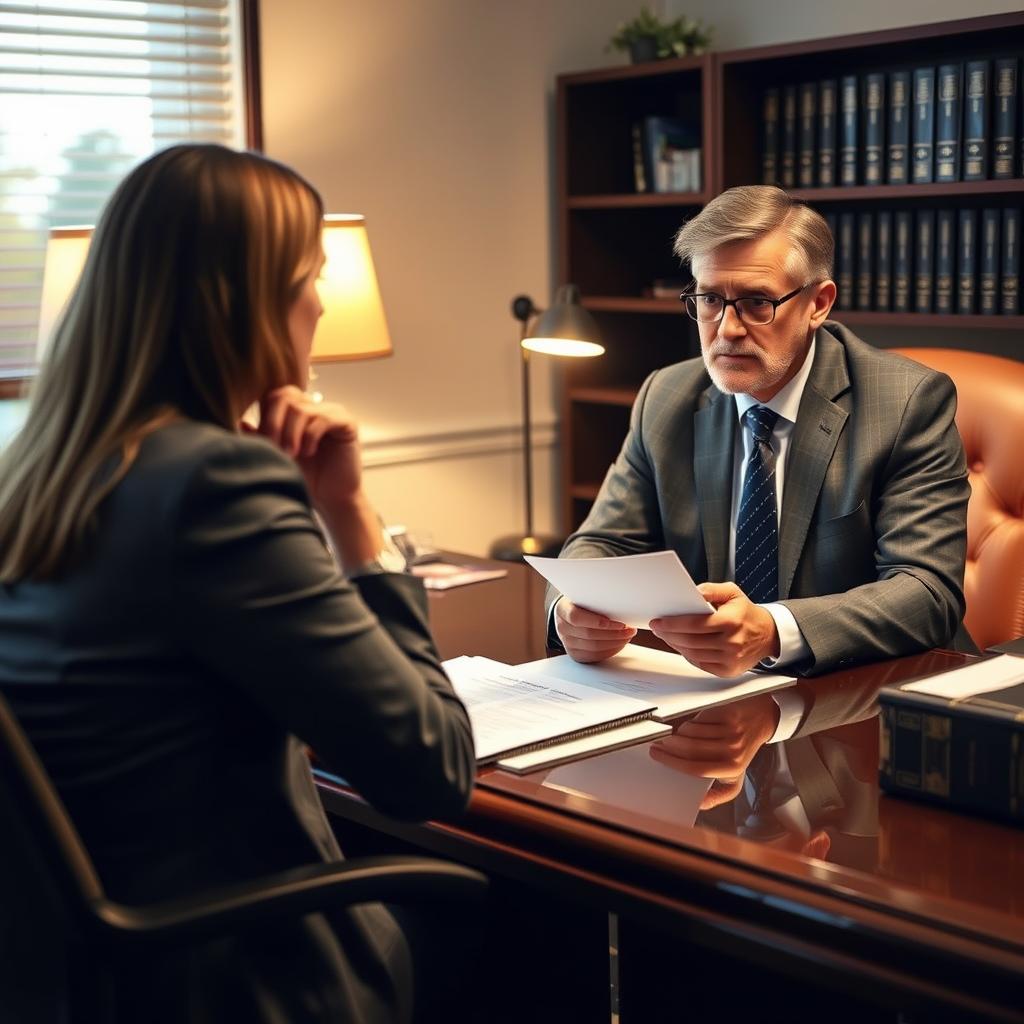
Uncontested Divorce Lawyer Cayuga County, NY
You and your spouse live in Auburn, Weedsport, or another community in Cayuga County, and you have both decided the marriage has run its course. There is no dispute about property division, spousal maintenance, or child custody and support—you simply want a straightforward, no-conflict divorce through the New York Supreme Court in Cayuga County. An uncontested divorce can spare you the expense, delay, and emotional strain of contested litigation. Still, even when both parties agree, New York’s domestic relations laws impose specific procedural requirements, and mistakes can cause delays or unintended financial consequences. Mr. Sris and his Of Counsel team at Law Offices Of SRIS, P.C. Guide Cayuga County residents through the uncontested divorce process, handling the drafting and filing so that you can move forward with confidence. To discuss your situation, call (888) 437-7747. Law Offices Of SRIS, P.C. – Advocacy Without Borders.
What an Uncontested Divorce Looks Like in Cayuga County
An uncontested divorce in New York is one in which both spouses agree on all issues—the ground for divorce, the division of marital property, spousal maintenance (alimony), and any custody or child-support arrangements. The matter is resolved without a trial, and the court grants the divorce after reviewing the paperwork and confirming that statutory requirements are met. In Cayuga County, divorces are filed in the New York Supreme Court, located at 152 Genesee Street in Auburn. Under the Domestic Relations Law, New York permits a no-fault divorce based on the irretrievable breakdown of the marriage for at least six months (DRL § 170). When both parties cooperate, the filing often takes between three and six months from the submission of the initial papers to the entry of the final judgment, though scheduling varies by court calendar.
The process begins with the purchase of an index number ($335) and, if any interlocutory motion is necessary, a request for judicial intervention ($95). The petitioner files a summons and verified complaint, and the defendant formally accepts service. Because the matter is uncontested, the defendant typically signs the acknowledgment of service and the agreement on the ancillary issues, whether in a separation agreement or a stipulation of settlement. Automatic restraining orders under DRL § 236 go into effect upon filing, preventing either spouse from dissipating assets or changing insurance coverage. Mr. Sris and his Of Counsel ensure that every document complies with the Seventh Judicial District rules, including the local forms the Cayuga County Clerk may require.
Strategy Options for an Uncontested Cayuga County Divorce
Even when a divorce is amicable, the choices you make at the outset have lasting consequences. One approach is to file for a no-fault uncontested divorce using the six-month irretrievable-breakdown ground, which is the cleanest route when no fault-based conduct is alleged. Another possibility is to first execute a written separation agreement and then, after at least six months of separation, convert the separation into a divorce under DRL § 170(6). That path can be useful when the parties want to address property and support in a formal contract before the actual dissolution.
A third option, though less common, involves a fault-based ground such as adultery or cruel and inhuman treatment, but only if the defendant consents and the plaintiff is prepared to allege the fault. In an uncontested posture, fault grounds rarely add value and can complicate a cooperative dynamic, so Mr. Sris and his Of Counsel typically recommend the straightforward no-fault avenue unless specific strategic considerations—such as the need to preserve a claim for a larger share of marital property—counsel otherwise. Whichever route you select, Mr. Sris and his Of Counsel will map out a clear timeline, coordinate with your spouse’s attorney if one is involved, and anticipate the court’s procedural expectations, including the required affidavit of regularity and notice of settlement.
What to Expect from Start to Finish
After the initial consultation, Mr. Sris and his Of Counsel prepare the summons, complaint, and all supporting affidavits. The documents are reviewed with you, then filed and served. In an uncontested matter, service is often accomplished by mailing the papers with an acknowledgment of service, which avoids the expense of a process server. Opposing counsel—or your spouse if unrepresented—signs the acknowledgment, and the signed documents are returned to the court. Once the mandatory statutory waiting period has passed and all ancillary issues are resolved, the attorney submits a judgment package that includes the findings of fact, conclusions of law, and the proposed judgment of divorce.
The Cayuga County Supreme Court judge reviews the package. If everything is in order, the judge signs the judgment without a court appearance. Some judges in the Seventh Judicial District prefer to conduct a brief remote or in-person allocution to confirm the facts before signing, but for truly uncontested cases, this is usually perfunctory. Once signed, the judgment is entered and the divorce is final. You receive a certified copy of the judgment, which concludes the matter. The timeline for each step depends on the court’s docket, but Mr. Sris and his Of Counsel will keep you informed throughout.
Penalty Overview: Risks in an Uncontested Divorce
Because there is no trial, the primary risk in an uncontested divorce is not a “penalty” in the criminal sense, but rather the possibility that the judgment will be set aside or modified if it was procured by fraud, mistake, or concealment of assets. Under New York law, a judgment of divorce is final as to all issues that were—or could have been—litigated. If one spouse later discovers that the other hid a bank account or pension, the aggrieved party can move to vacate the judgment. That outcome can reopen financial issues long after the divorce was supposed to be over.
Another risk is that the judgment’s maintenance or child-support terms may not comply with the statutory formulas codified in the Domestic Relations Law. While parties can deviate from the formulas by agreement, the deviation must be knowing and express; otherwise a court may later reform the award. Mr. Sris and his Of Counsel thoroughly review your financial disclosure, the statutory maintenance guidelines, and the child-support percentages to ensure the judgment will withstand any future challenge. Proper preparation protects both parties and helps the judgment remain final.
Attorney Credentials
Mr. Sris, Owner and Founder of Law Offices Of SRIS, P.C., is a former prosecutor admitted to practice in Virginia, Maryland, the District of Columbia, New Jersey, and New York. Practicing since 1997, Mr. Sris draws on decades of courtroom and negotiation experience to guide clients through divorce proceedings in the Finger Lakes region, including Cayuga County. His Of Counsel team brings additional depth in family law, ensuring a collaborative approach to case strategy. Together, Mr. Sris and his Of Counsel have documented over 4,739 case results across multiple practice areas. Results may vary.
For a full statutory breakdown of New York divorce law and the firm’s statewide practice, visit our parent site’s comprehensive analysis at srislawyer.com/divorce-lawyer/.
Frequently Asked Questions
Do I need a lawyer for an uncontested divorce in Cayuga County?
You are not legally required to hire a lawyer for an uncontested divorce in New York, but legal guidance helps ensure the paperwork meets court requirements and protects your financial interests. Even when both spouses agree, errors in the complaint, settlement agreement, or proposed judgment can delay finalization and may leave loopholes that complicate future enforcement. An experienced attorney drafts clear documents, confirms that the statutory maintenance and child-support formulas are correctly applied, and helps avoid common mistakes. Mr. Sris and his Of Counsel offer a practical, no-conflict approach tailored to each family’s circumstances.
How much does an uncontested divorce cost in Cayuga County?
The total cost depends on court filing fees, the complexity of property and custody issues, and attorney fees. The court-required index number fee is currently $335, and the request for judicial intervention, if needed, is an additional $95. Attorney fees vary based on the extent of negotiation, the complexity of the asset profile, and whether the matter requires court appearances. Mr. Sris and his Of Counsel provide a clear fee structure after an initial review of your situation. Contact (888) 437-7747 to discuss costs specific to your case.
How long does an uncontested divorce take in Cayuga County?
An uncontested divorce in Cayuga County may take three to six months from filing to entry of judgment, though the exact timeline depends on court scheduling and the completeness of the initial filings. The process moves fastest when both spouses promptly sign the acknowledgment of service and cooperate in executing any required settlement agreement. Delays can occur if the judge requests revisions to the proposed judgment or if a brief allocution is required. Mr. Sris and his Of Counsel work to submit a well-prepared judgment package to minimize back-and-forth with the court.
What is the difference between a separation agreement and a divorce?
A separation agreement is a contract that resolves property, maintenance, and custody issues while the parties remain legally married; a divorce judgment terminates the marital status itself. In New York, a separation agreement can serve as the basis for a later conversion divorce, which is a type of uncontested divorce available after the parties have lived apart for at least six months under the agreement. Some couples choose this path to address financial issues gradually before formally ending the marriage.
Can we file an uncontested divorce if we have minor children?
Yes, you can file an uncontested divorce even if you have minor children, provided both parents agree on custody, visitation, and child-support arrangements. The settlement must include a parenting plan, calculate child support in accordance with the statutory formulas, and address health insurance and educational expenses. The court will review the agreement to confirm that it serves the children’s best interests before approving the divorce.
What if my spouse does not respond after I file?
If your spouse fails to respond within the statutory time after service, you can seek a default judgment, but that converts the matter from uncontested to contested procedure. Proving the jurisdictional requirements and the ground for divorce in a default posture requires careful affidavit proof. Mr. Sris and his Of Counsel can assess whether a true default is unavoidable or whether renewed communication might restore the uncontested path and avoid additional expense.
Schedule a consultation with an uncontested divorce attorney in Cayuga County. Call (888) 437-7747 or reach our New York location at 50 Fountain Plaza, Suite 1400, Office No. 142, Buffalo, NY 14202 by appointment. Mr. Sris and his Of Counsel serve clients throughout the Finger Lakes region, including Auburn, Skaneateles, Weedsport, Fair Haven, Moravia, Union Springs, and Port Byron.
Attorney advertising. Prior results do not guarantee a similar outcome. Case results depend on a variety of factors unique to each case. Results may vary.